One-Pot Lasagna Soup
with Ricotta Swirls
“All the lasagna. None of the architecture.”
Lasagna is excellent dinner and unreasonable geometry. Soup keeps the browned beef, tomato depth, noodles, and creamy ricotta while removing the layer-by-layer construction project.
Broken lasagna sheets need a moving start. Stir during the first few minutes, when their broad surfaces are most determined to become one giant noodle. Ricotta goes into individual bowls, not the pot, so the broth stays bright and leftovers reheat cleanly.
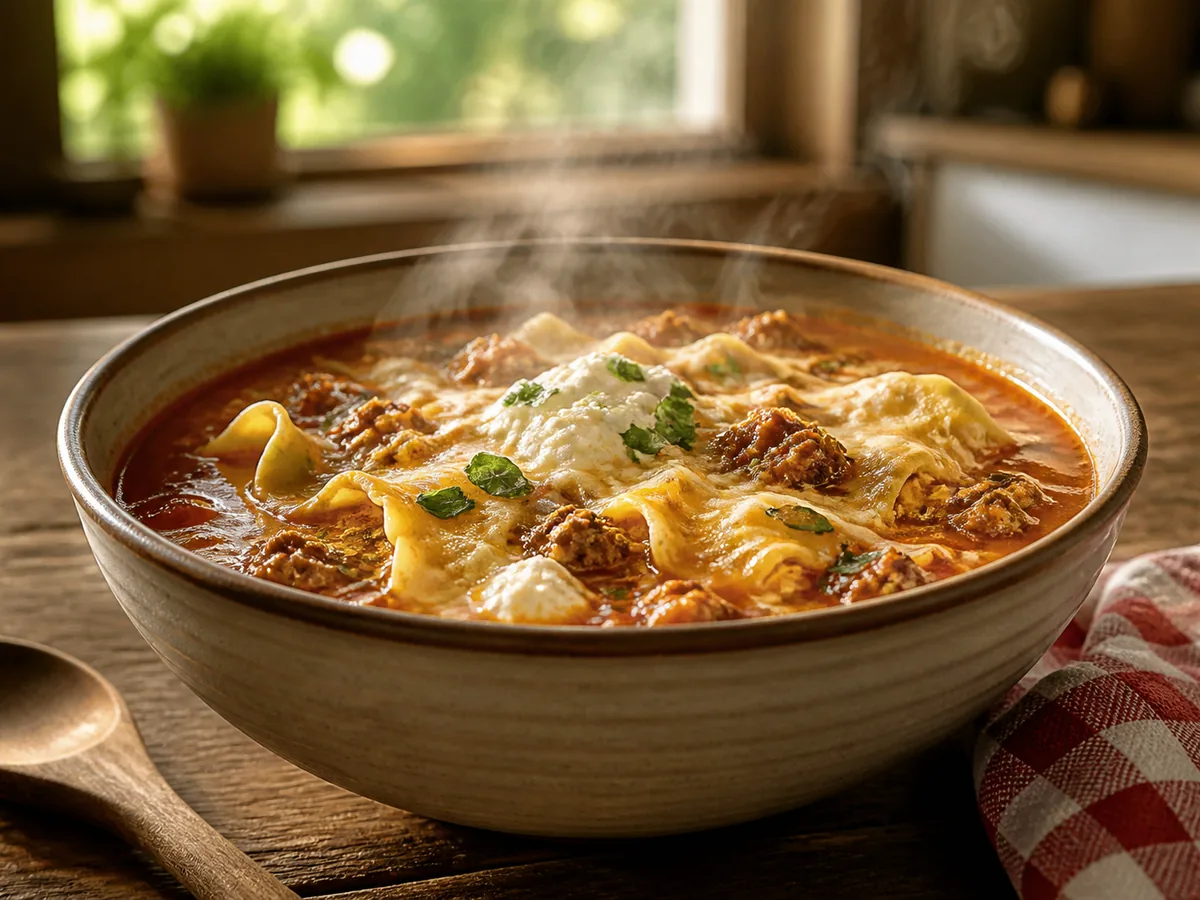
🍲 The promise: a beefy tomato broth, tender broken noodles, and ricotta clouds in 45 minutes, from one pot and zero stacked layers.
How to make it
View ingredient overview
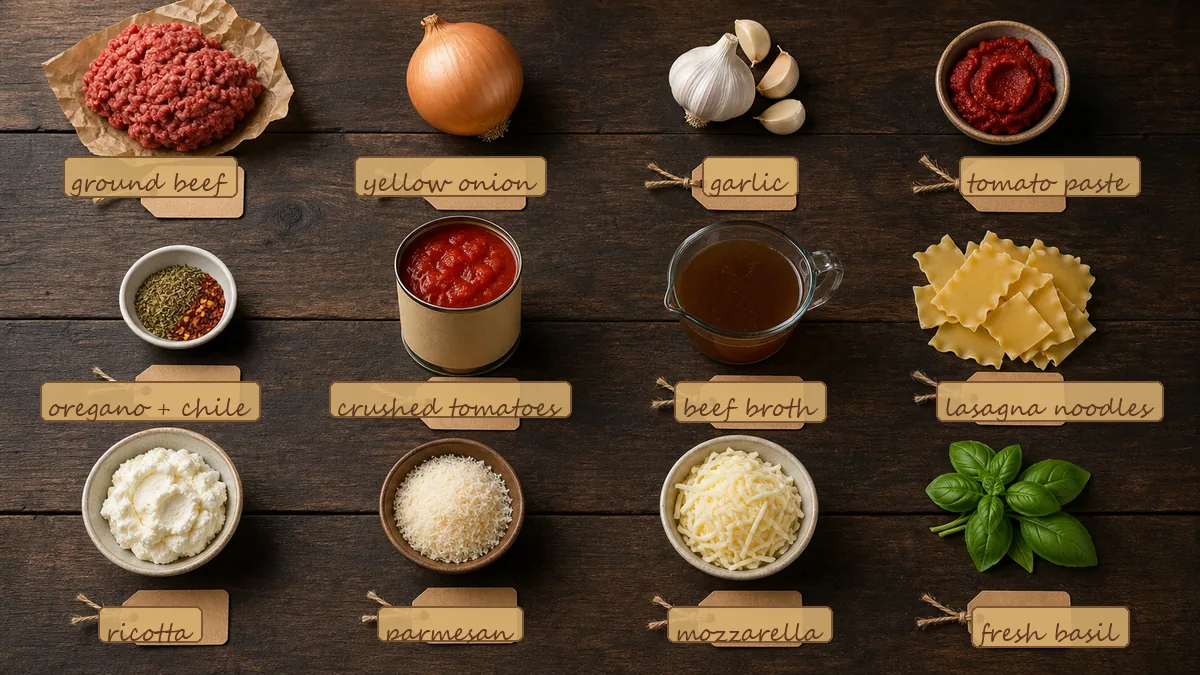
🧂 Ingredient notes & easy swaps
Pasta is both ingredient and thickener. Noodles release starch as they simmer, then keep taking in broth after the heat stops. Maintain enough movement to separate broad pieces without boiling so hard they tear. For tomorrow’s soup, cook the noodles one minute short and keep extra broth ready. Ricotta stays outside the pot because boiled fresh cheese turns the broth pale and grainy. A cool spoonful melting at the table makes creaminess without erasing the tomato base.
Keep the pot partly uncovered while noodles cook. A fully covered pot can foam over; a completely uncovered hard boil evaporates broth too quickly. Stir from the bottom with a flat-edged spoon so soft noodles are lifted rather than stabbed.
🍳 What you actually need (equipment)
Heat the olive oil in a Dutch oven over medium-high and add the ground beef in broad chunks. Cook 6–7 minutes, until the sizzle turns crackly and dark patches form, then break it smaller, drain the fat, and confirm it reads 160°F (71°C).
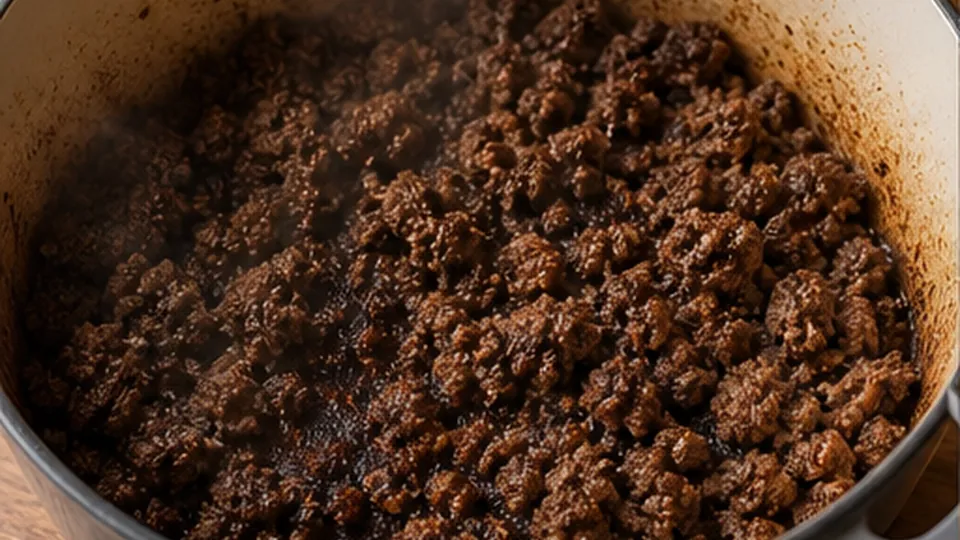
Brown the beef hard Add the finely diced onion and cook 4 minutes, until soft and sweet-smelling. Stir in the garlic, tomato paste, oregano, red pepper flakes, salt, and black pepper for 1–2 minutes, until the paste shifts from bright red to brick.
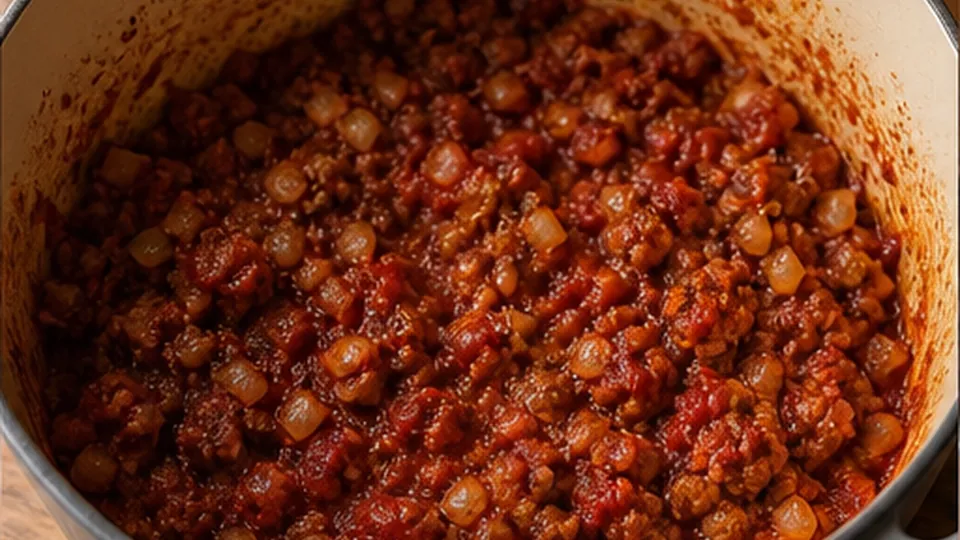
Darken the tomato paste Pour in the crushed tomatoes and beef broth, scraping until the brown film lifts off the base of the pot. Bring it to a full boil, then back it down to a lively simmer with small bubbles across the surface.
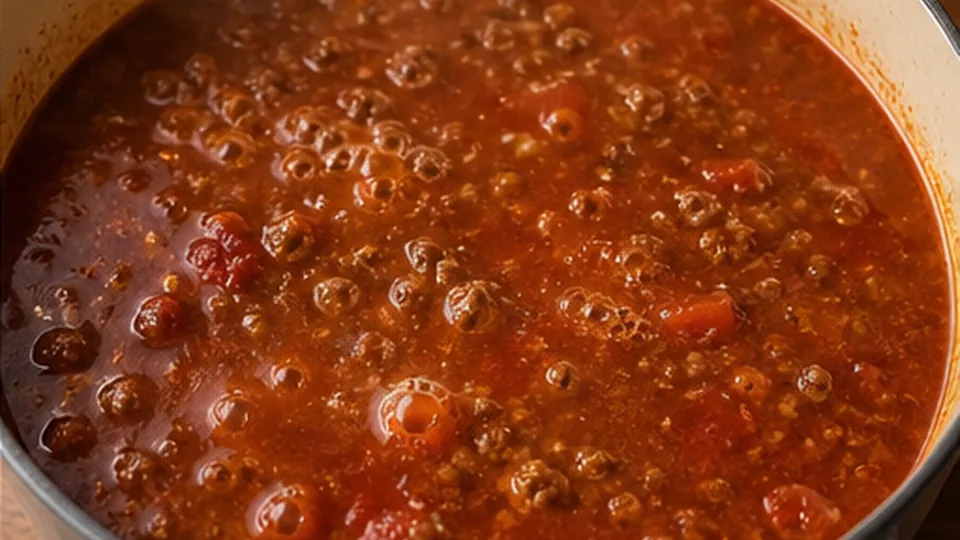
Build the broth Add the broken lasagna noodles and stir often for the first 3 minutes so they do not stick. Simmer 10–12 minutes, until the pasta bends easily but keeps a faint firm center and the broth turns silky with starch.
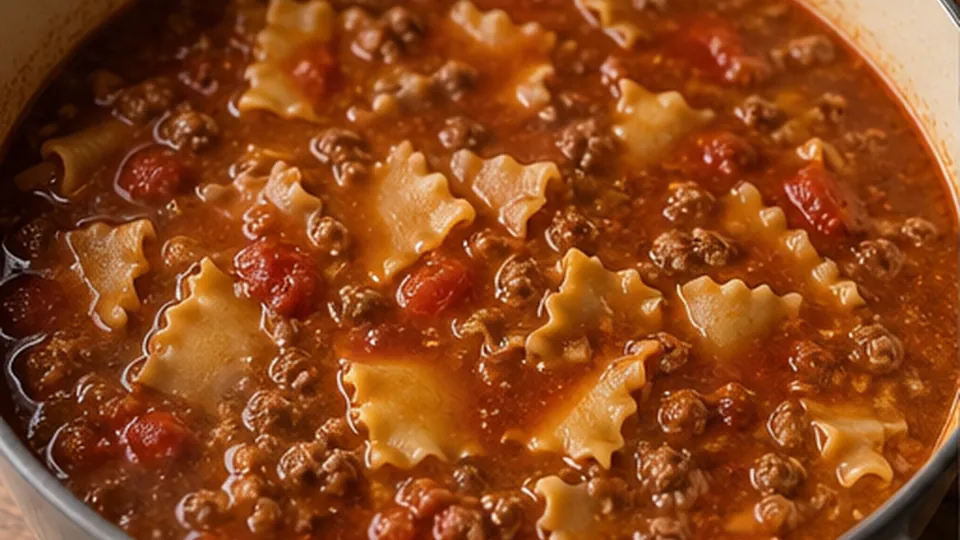
Cook the broken noodles Stir the whole-milk ricotta with half the Parmesan until it is smooth enough to scoop yet firm enough to hold a soft peak. If it looks stiff and crumbly, loosen it with a tablespoon of warm broth.
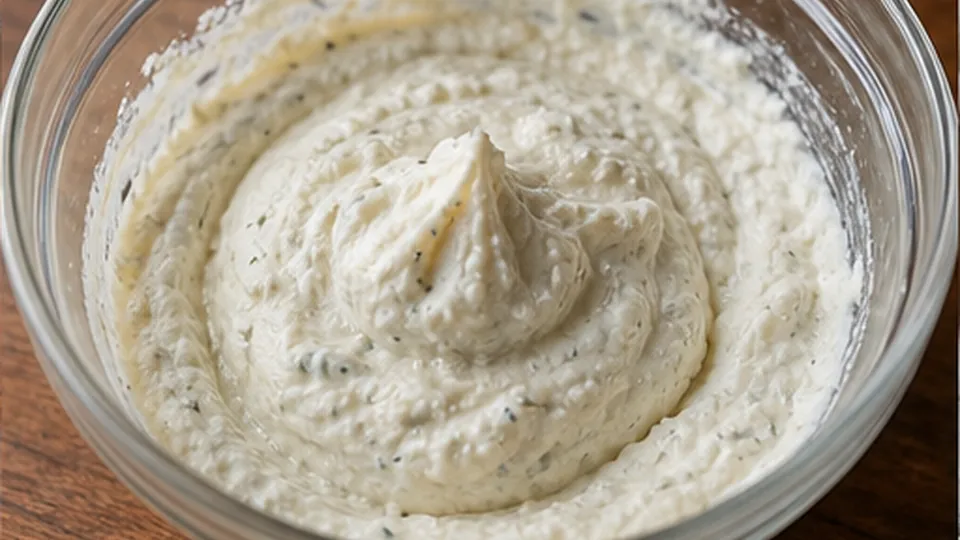
Whip the ricotta clouds Take the pot off the heat as soon as the noodles are just tender, since they keep softening in the hot broth. Ladle into bowls, add a spoonful of ricotta, and finish with mozzarella, the rest of the Parmesan, and torn basil.
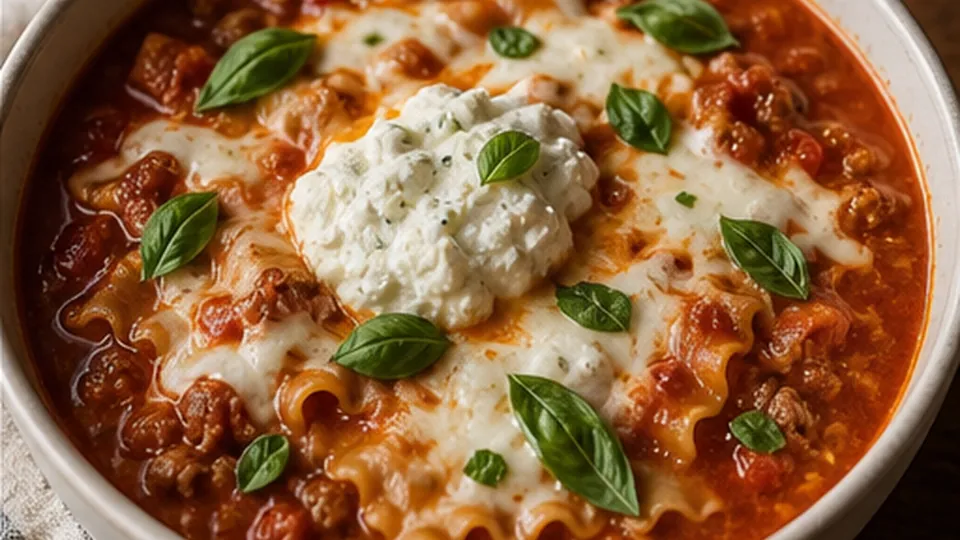
Ladle and top each bowl
✅ How to know it's done
The noodles are flexible with no chalky center, the broth coats a spoon, and the beef reached 160°F (71°C). Noodles welded into a stack need gentle separation, not aggressive chopping. Slide two wooden spoons between the layers while broth simmers around them. If the pasta is tender but the broth is thin, remove the noodles temporarily and simmer the base for a few minutes; continuing to boil everything turns pasta soft. If the pot becomes too thick, add hot broth rather than cold water so the simmer recovers without extra cooking time. Ricotta that looks watery should be drained in a fine strainer before mixing. A grainy dollop is usually cold cheese stirred too hard, not a safety issue.
💡 Practical tips (and what not to do)
- Brown in chunks first. Tiny raw crumbles release water and turn gray.
- Toast the paste. Brick-red paste builds a simmered-all-day flavor quickly.
- Stir early. Wide noodle pieces stick most during their first minutes.
- Keep ricotta separate. It preserves the red broth and gives each bowl a creamy contrast.
- Undercook for leftovers. Pasta keeps drinking broth after the heat stops.
🔁 Easy variations (budget · lighter · kids · extra flavor)
💛✨ Flavor boost
Finish the pot with a teaspoon of red wine vinegar. It does not make the soup sour; it lifts the slow-cooked tomato flavor and cuts through the cheese.
🥔 What Goes Well With It
- Garlic bread with crisp edges.
- A romaine salad with lemony dressing.
- Roasted zucchini or green beans.
📦 Storage & Freezer Notes
- Refrigerate soup and ricotta separately within 2 hours for 3–4 days.
- Reheat soup to 165°F (74°C), adding broth because noodles absorb liquid overnight.
- For freezing, stop before adding noodles; freeze the base up to 3 months and cook fresh pasta after thawing.
- The beef-tomato base is an excellent make-ahead component. Cook it through the broth step, cool promptly, and refrigerate up to three days. Bring it back to a simmer before adding noodles. Keep ricotta mixture separate and cold, then spoon it into bowls rather than transporting it in the hot pot.
- Warm bowls prevent the ricotta from chilling the soup too quickly. Add cheese at the table and serve with a fork as well as a spoon; broad noodles are easier to manage when diners can catch an edge instead of chasing it around the bowl.
🧒 Serving Ideas for Kids
- Serve with a small ricotta cloud for stirring.
- Use shorter noodle pieces that fit a spoon.
- Offer mozzarella at the table for controlled cheese snowfall.
❓ Quick answers
Can I use another pasta shape?
Why did my soup become too thick?
Can I make this vegetarian?
Does lasagna soup freeze well?
🥗 Nutrition, roughly: about 470 calories per serving. Estimates only; brands, cuts and portion sizes change the numbers.
More recipes for your table
Published by MommyCooking.org. AI assists with web copy; food images are AI-generated illustrations. The publisher confirms these recipes were tested before publication. Nutrition is estimated. Editorial policy · Report a correction.