Cookies and easy hand-held treats
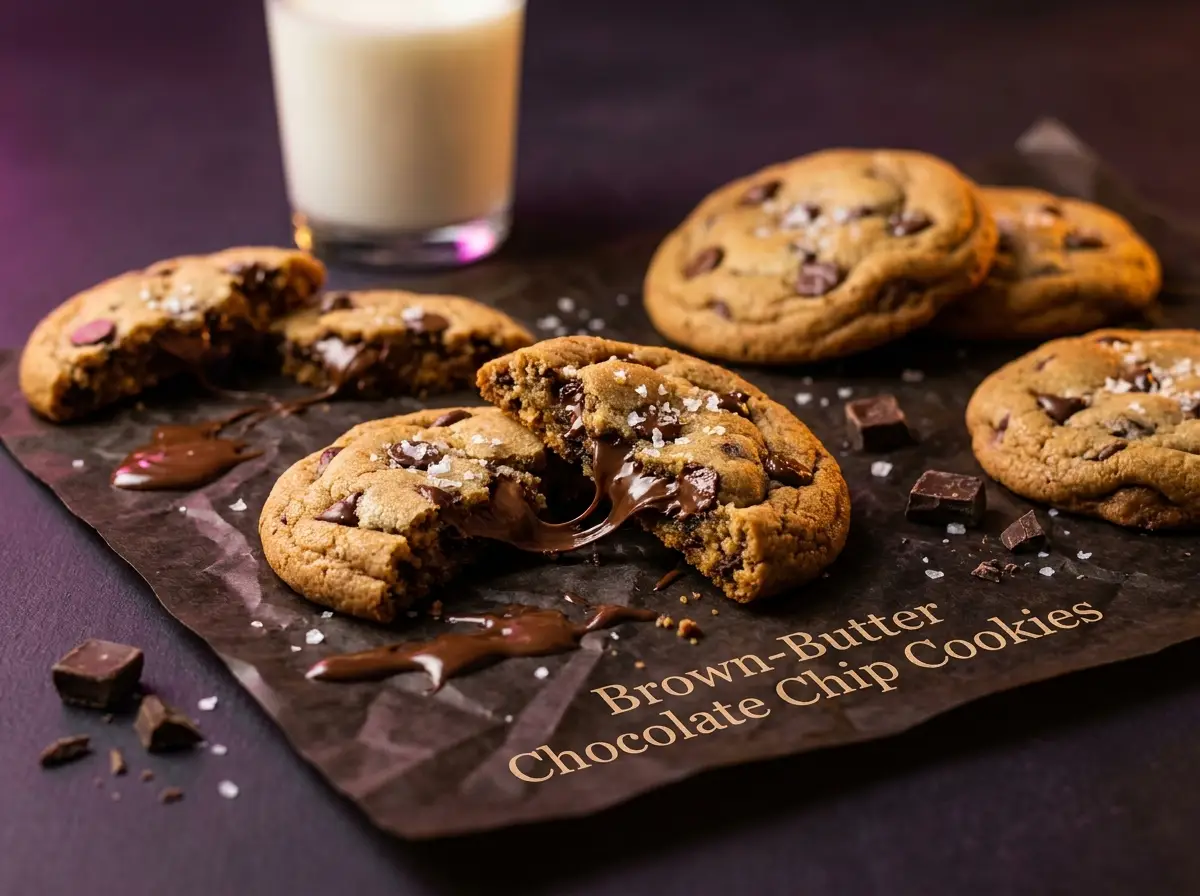
For chewy cookies, measure flour carefully and stop baking while the centers still look slightly soft; carryover heat finishes them on the tray. Browned butter adds deeper flavor but loses water, so the recipe balance matters.
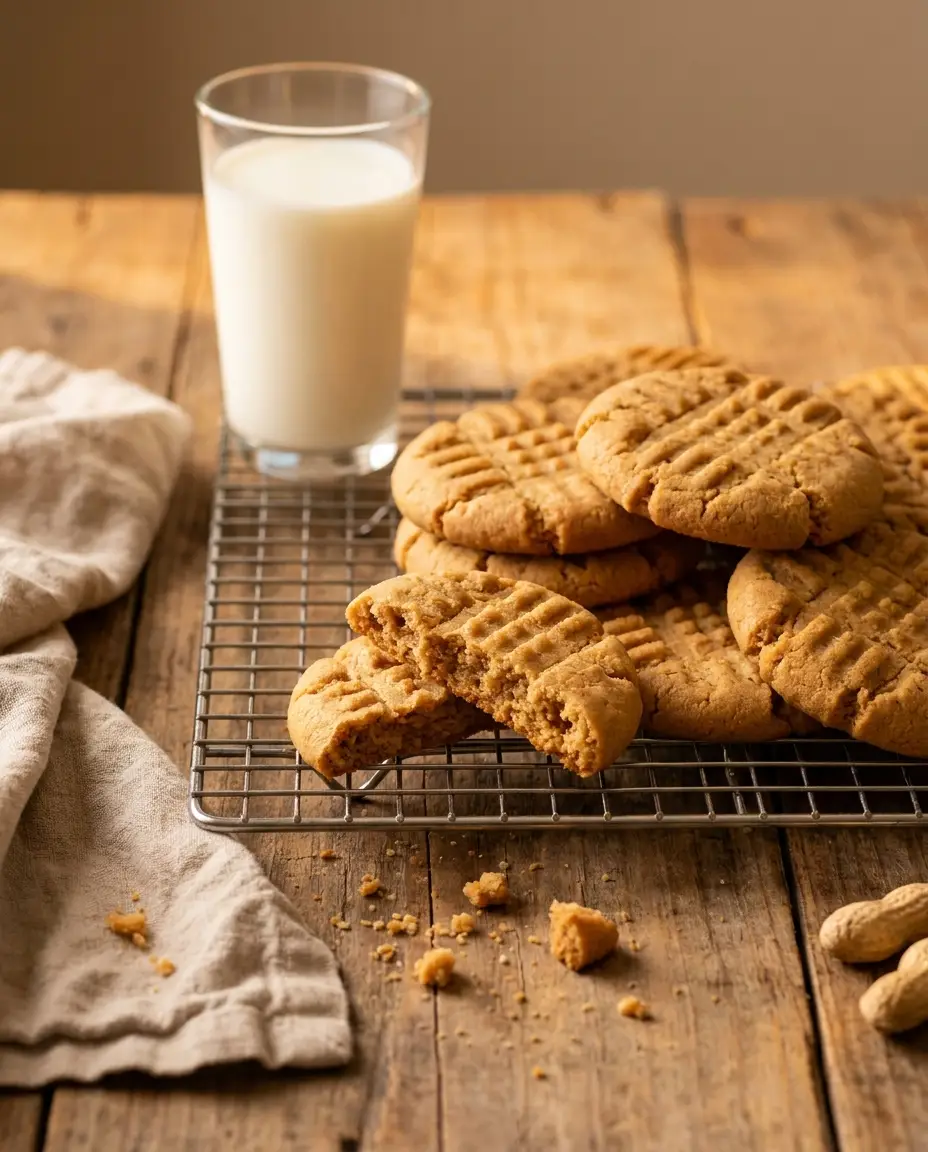
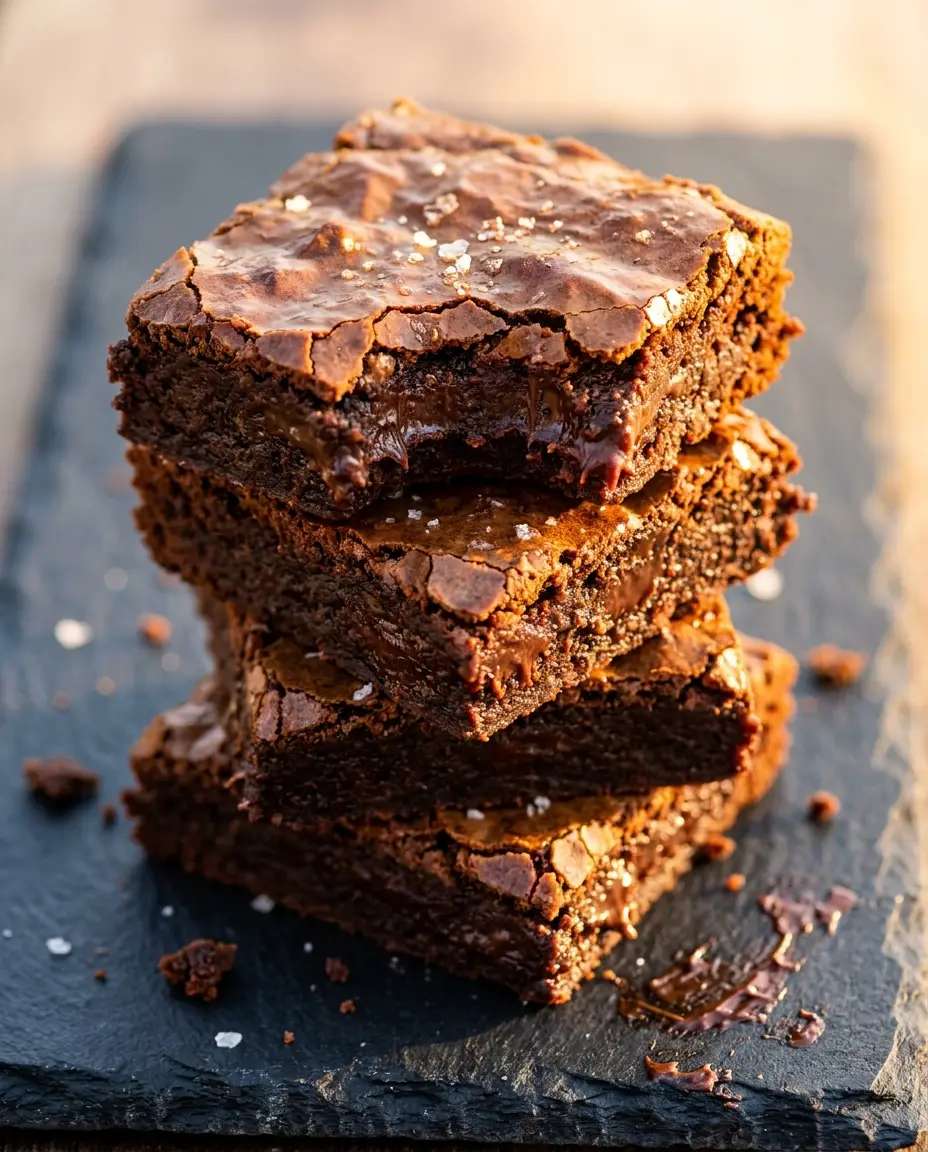
Peanut butter cookies behave best with a stable, emulsified peanut butter unless the recipe was designed for natural styles. Bar treats are a useful alternative when scooping individual cookies would take too long, and most can be portioned after cooling.
Butter temperature decides the cookie
Almost every cookie problem traces back to the fat. Softened butter should dent under a fingertip and still hold its shape, which is roughly 65°F to 67°F. Any warmer and the creamed mixture cannot hold air, so the dough slumps in the oven and the edges thin out before the middle sets. Butter melted for flavour needs to cool until it turns opaque again before the eggs go in.
Browning drives off water, so a browned-butter dough begins life drier than a creamed one. Weigh the butter after browning and add back the shortfall as milk or water if the recipe asks you to; skipping that is the usual reason such a batch turns out crumbly.
Why cookies spread, and how to stop it
Spread is sugar and fat melting faster than flour and egg can set. Four levers control it. Chilling portioned dough for half an hour firms the fat so it melts later. A little extra flour, weighed rather than scooped, gives the structure more to work with. A pale, heavy sheet pan conducts less fiercely than a thin dark one. And a fully preheated oven matters more than the dial suggests, because a tray slid into a still-heating oven spends its first minutes melting rather than baking.
Parchment is worth using on every batch. Greasing the pan puts extra fat directly under the dough and encourages spread, while a silicone mat insulates slightly and can leave the base paler than you want.
Timing, rotation and carryover
Pull chewy cookies while the rims are set but the centres still look glossy and underdone. They keep cooking on the hot tray for several minutes, and that is where the soft middle comes from. Move them to a rack sooner for a softer result, later for a firmer one.
Most home ovens have one hot corner. Turn the tray front to back at the halfway mark, and bake a single sheet on a middle rack when the batch size allows. Two trays at once almost always means one uneven batch.
Bars, no-bakes and raw dough
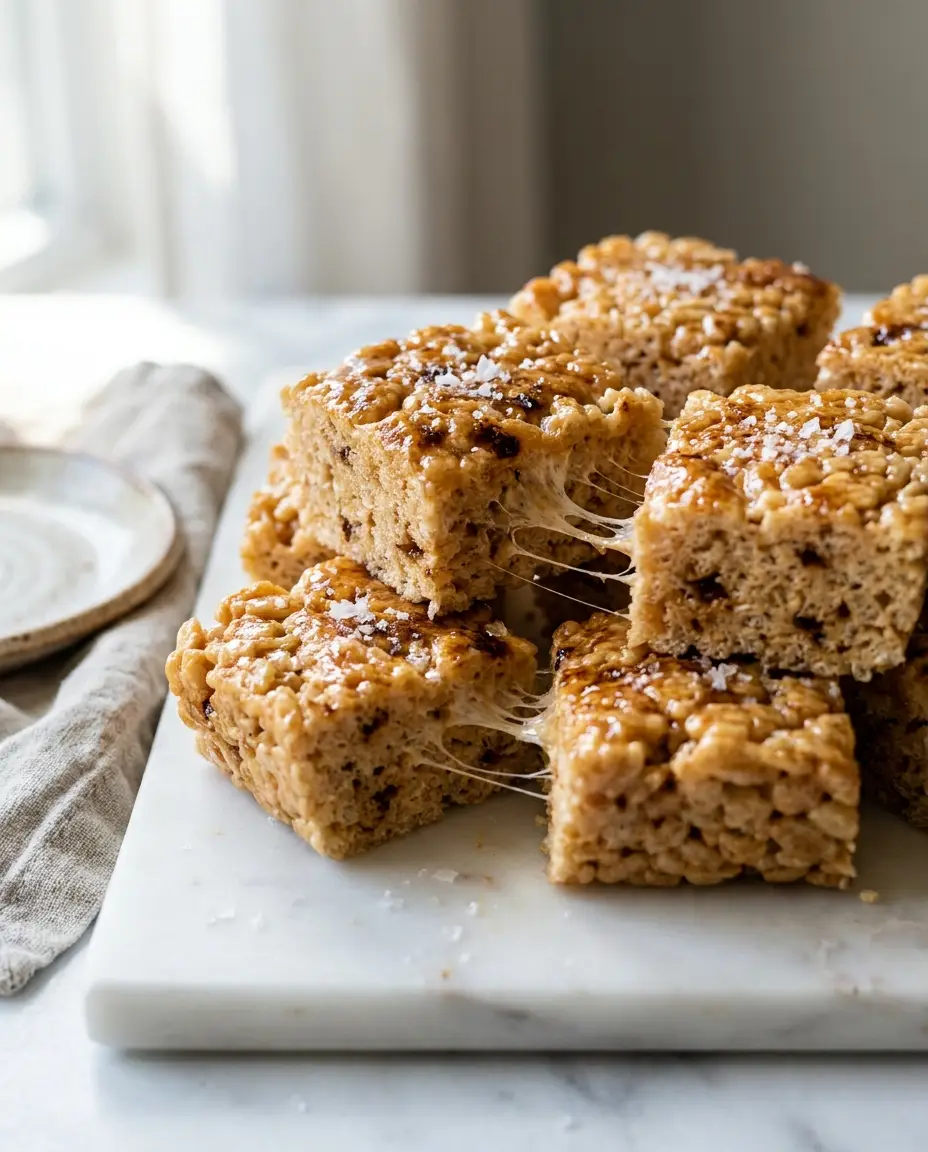
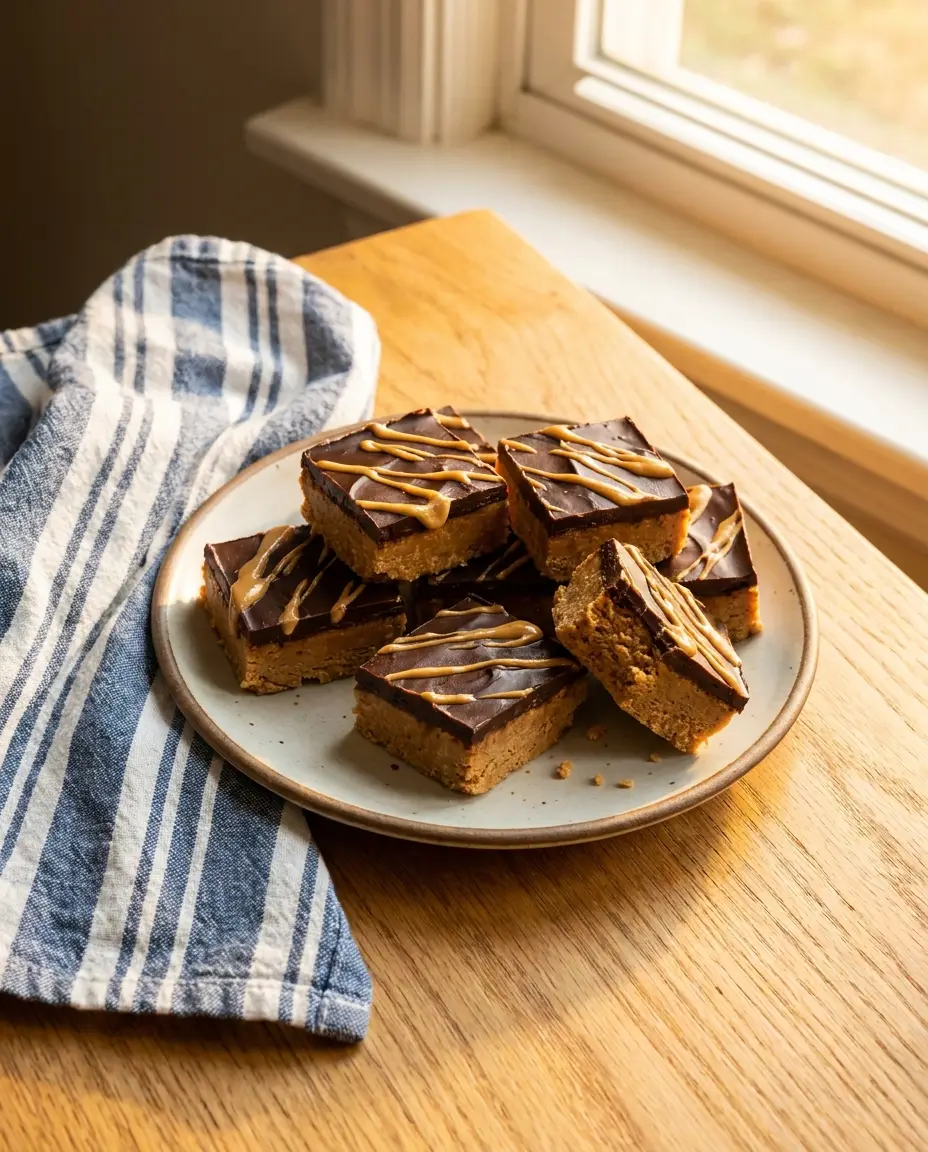
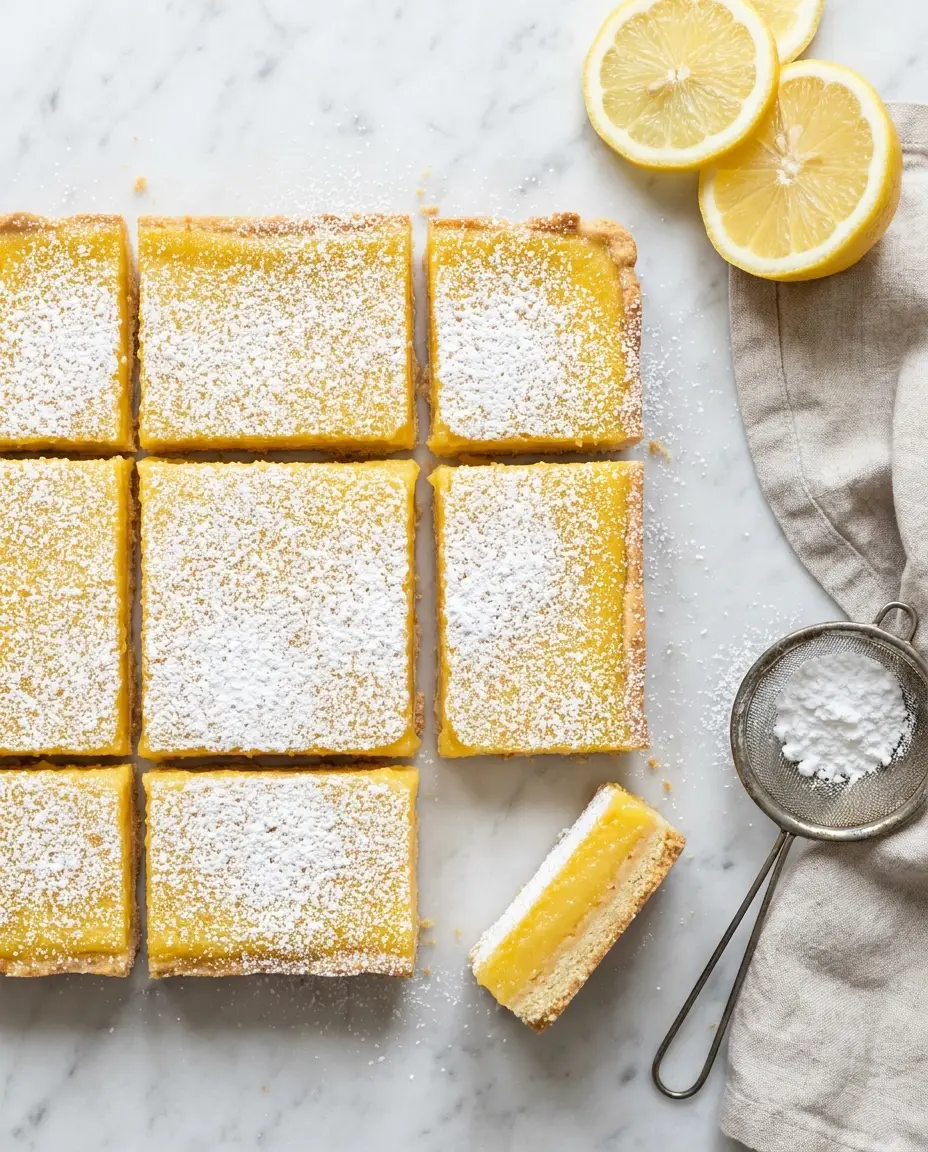
Bar doughs remove the scooping work but need to cool completely before cutting, and lining the tin with an overhang of parchment lets the whole slab lift out for tidy edges. A curd-topped bar is an egg dish: bake until the filling reaches 160°F (71°C) and no longer moves as a liquid at the centre. Raw dough should not be eaten, because of the uncooked egg and the untreated flour alike.
Tools, and what replaces them
A digital scale and a spring-loaded scoop do more for consistency than any mixer will. Lacking a scale, spoon flour into the cup and level it instead of dipping. Lacking a stand mixer, properly softened butter creams with a sturdy wooden spoon. Lacking a scoop, two tablespoons and a light hand keep portions close enough.
How these were chosen
Selection favoured doughs that behave in a standard home oven, ingredients any supermarket stocks, and instructions that name a visible finish point instead of trusting a clock. Nothing here needs specialist flour or hard-to-source chocolate.
Recipes in this collection