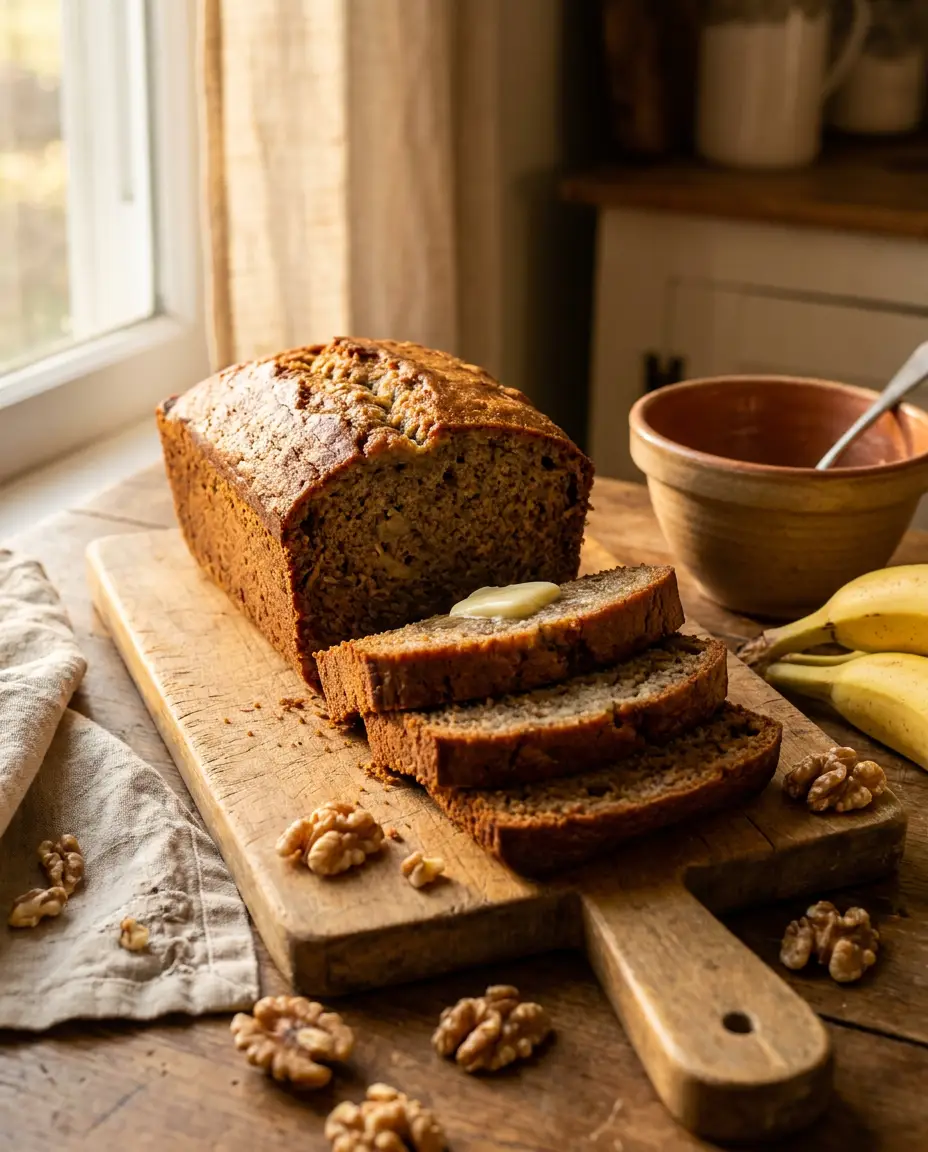
Pick the cake for the occasion
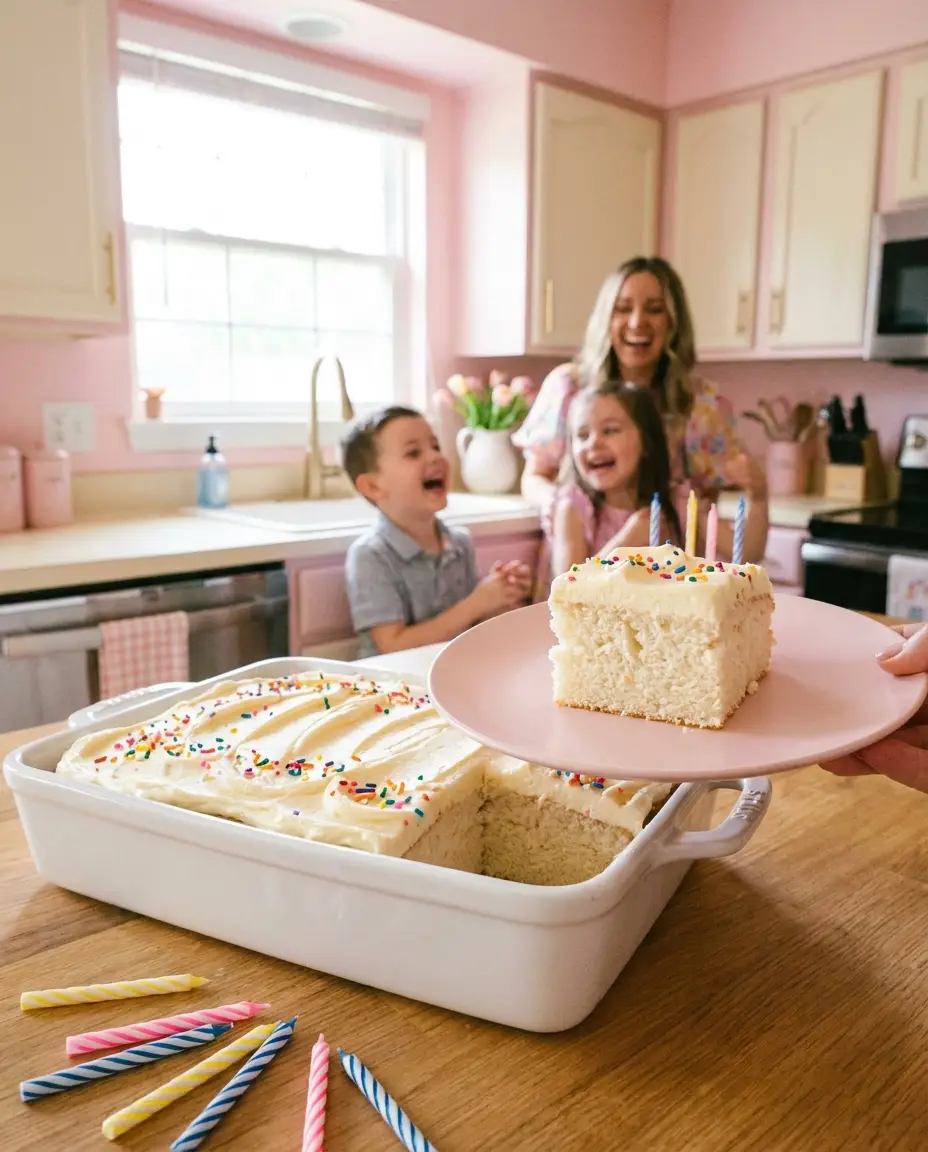
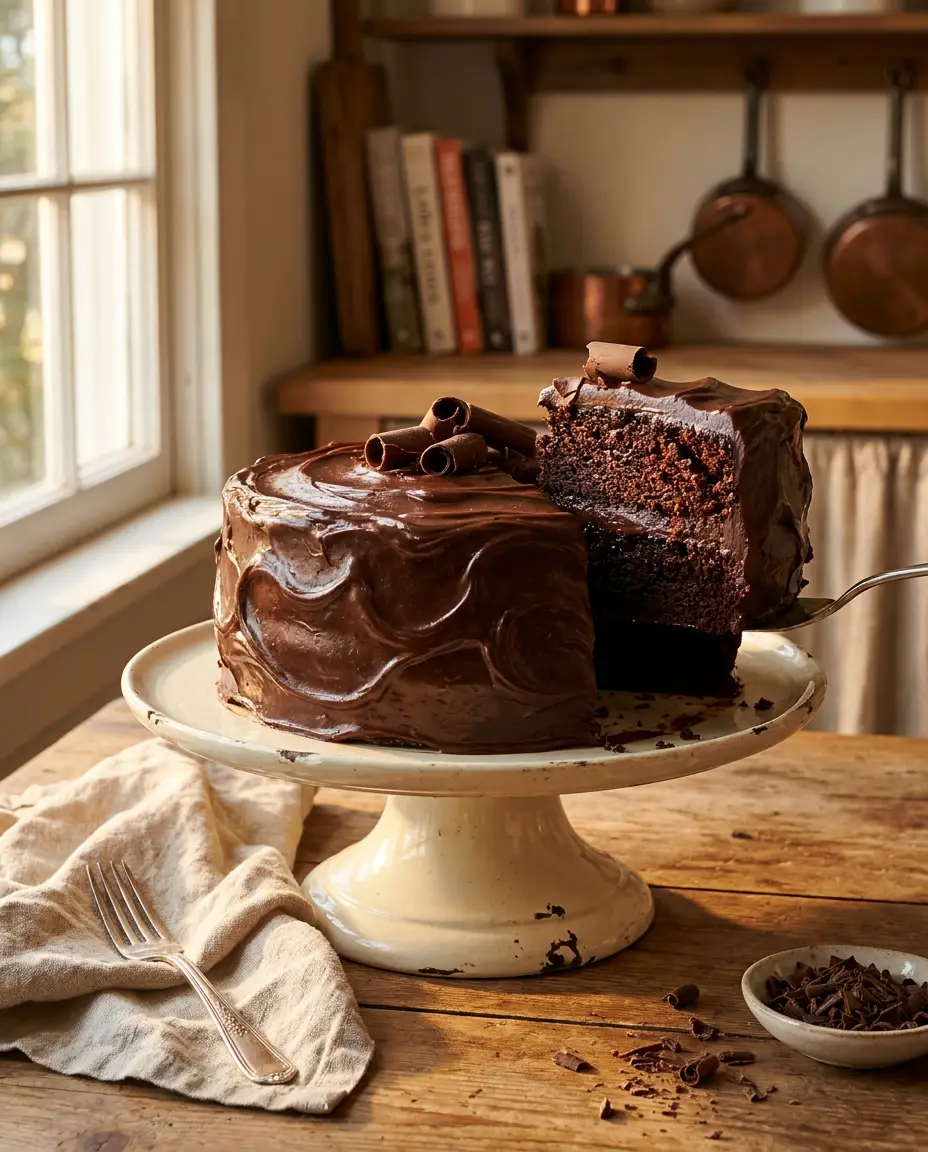
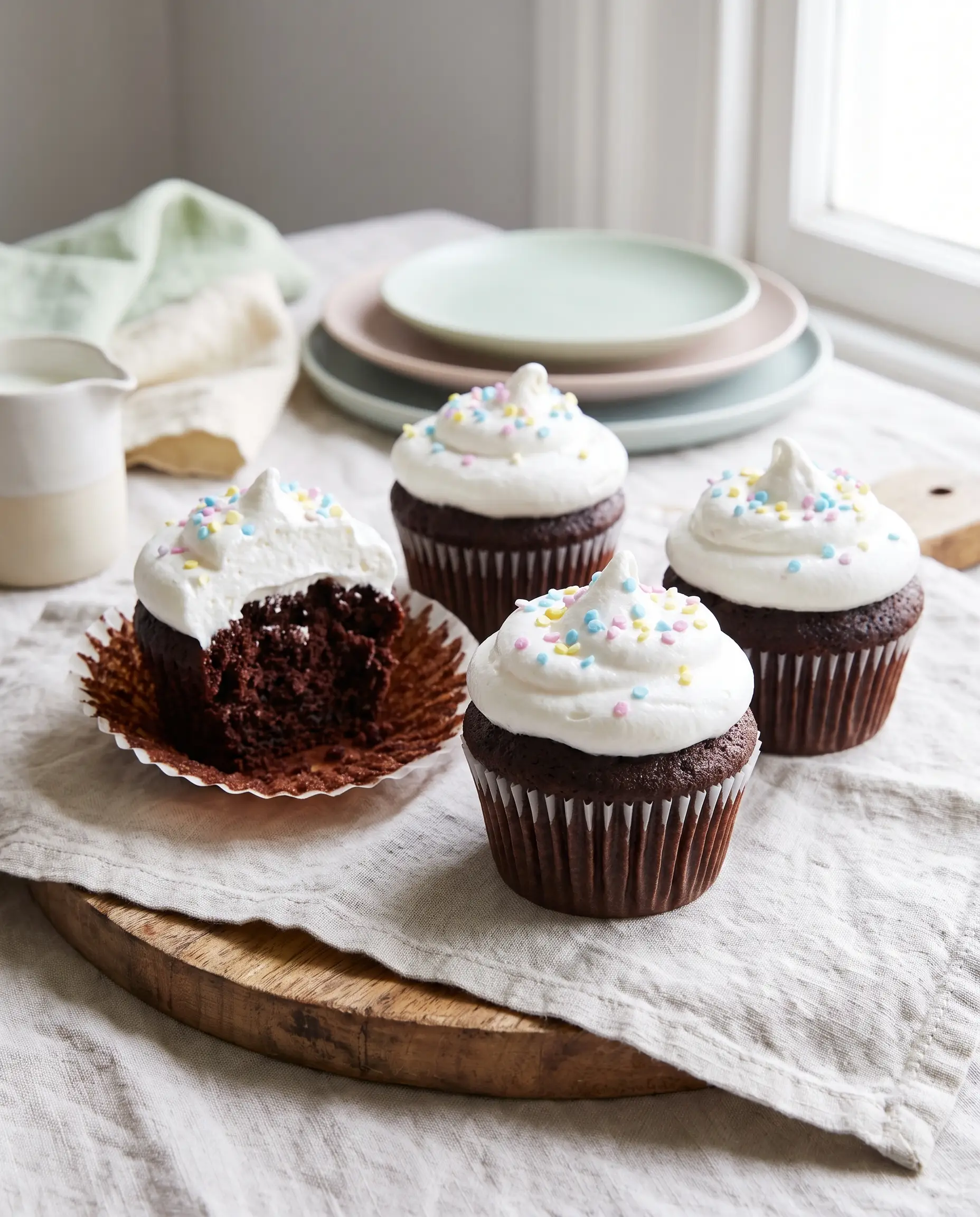
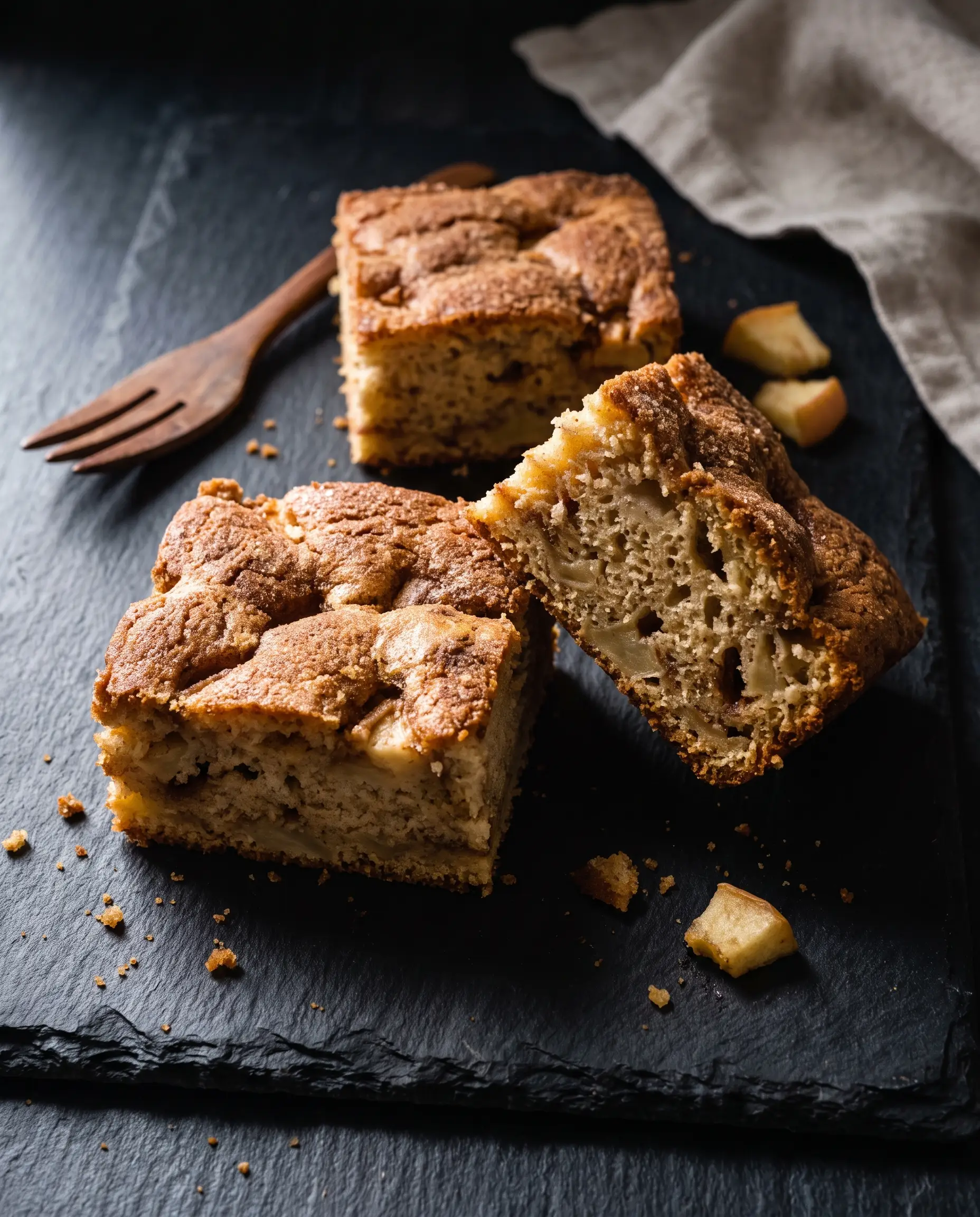
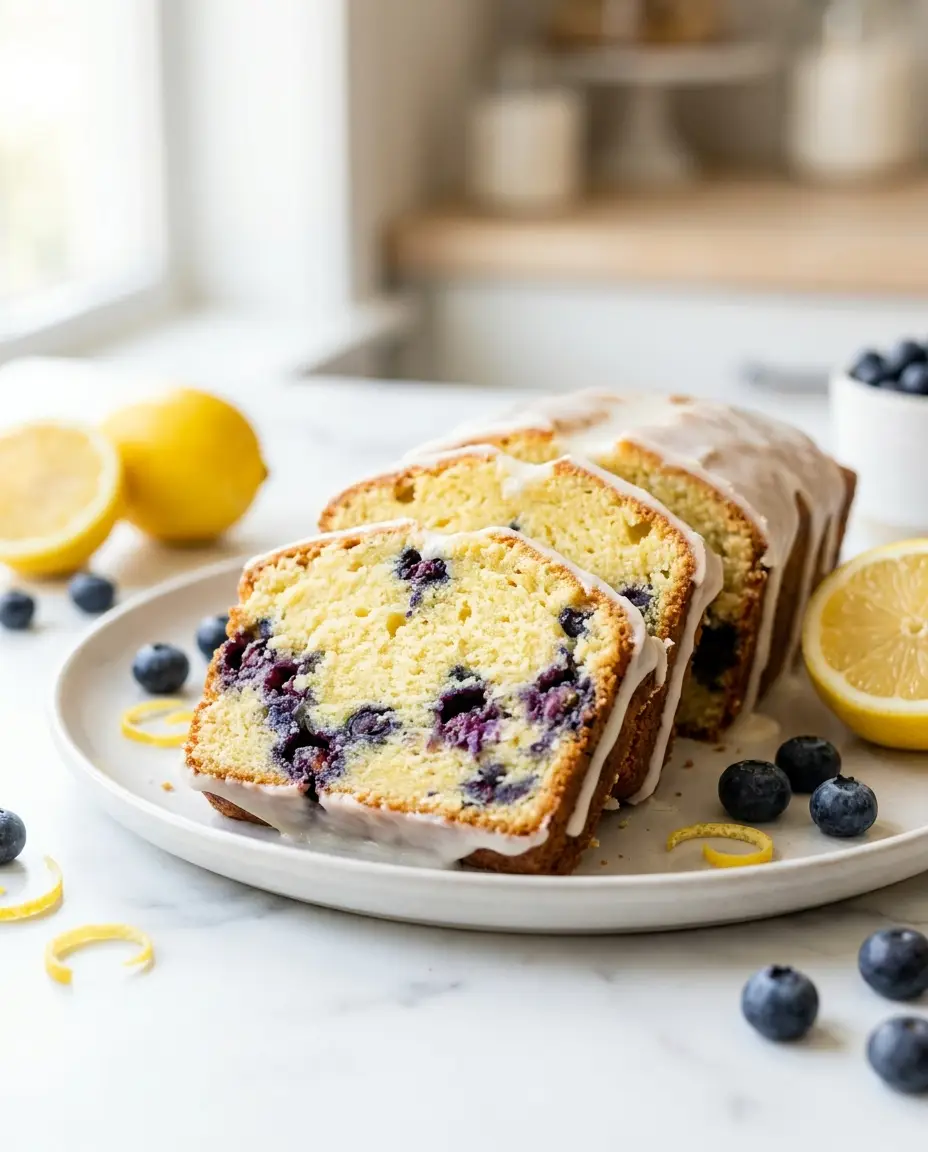
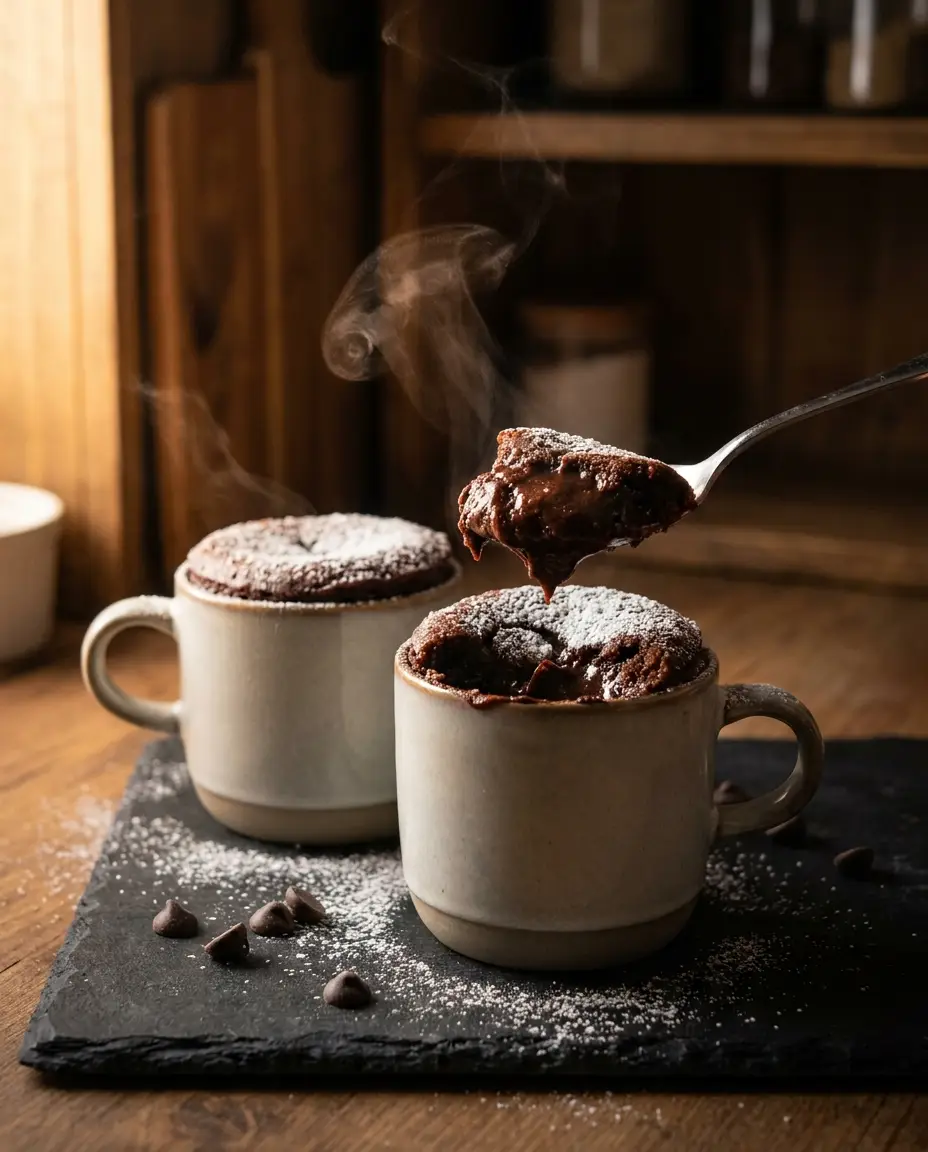
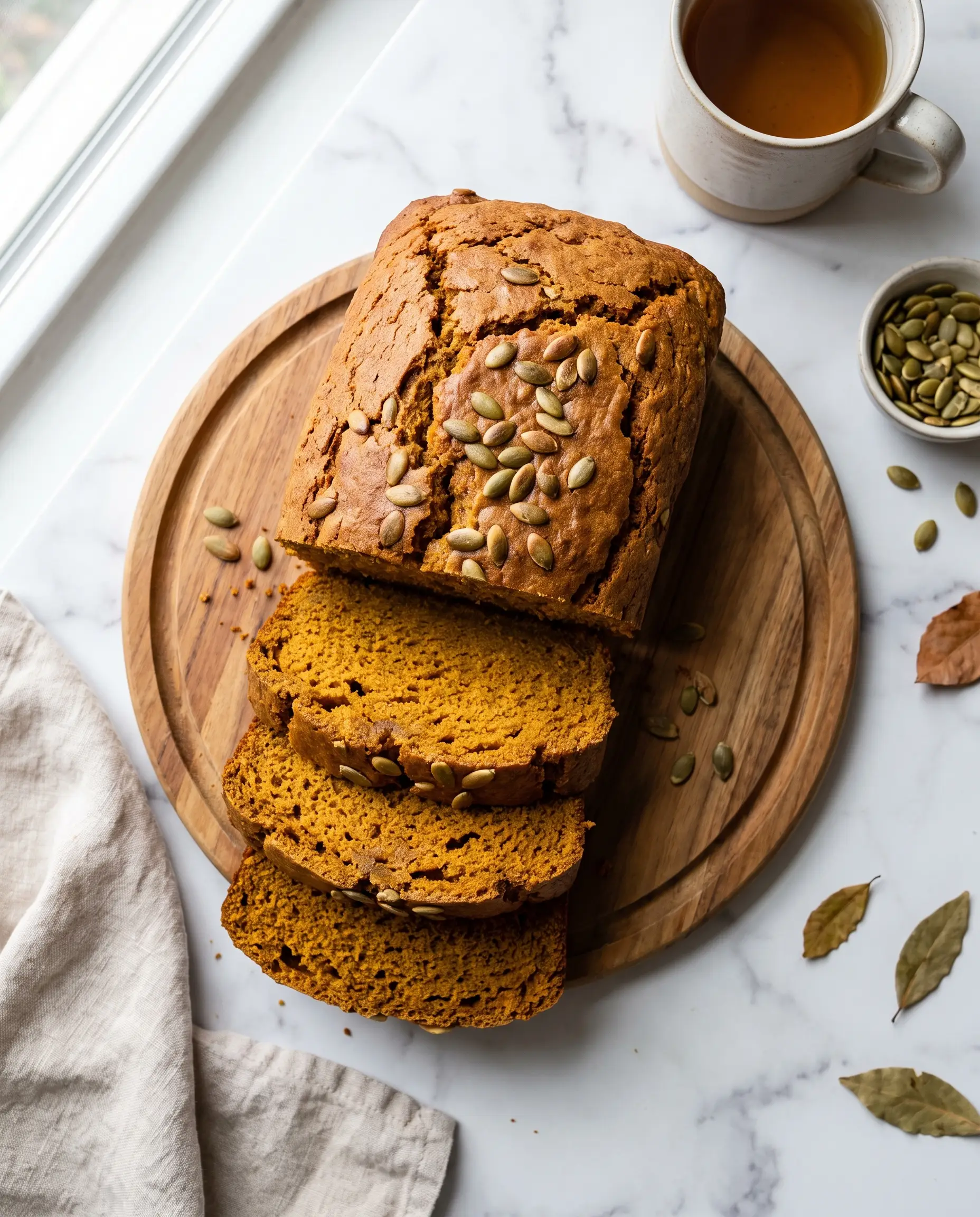
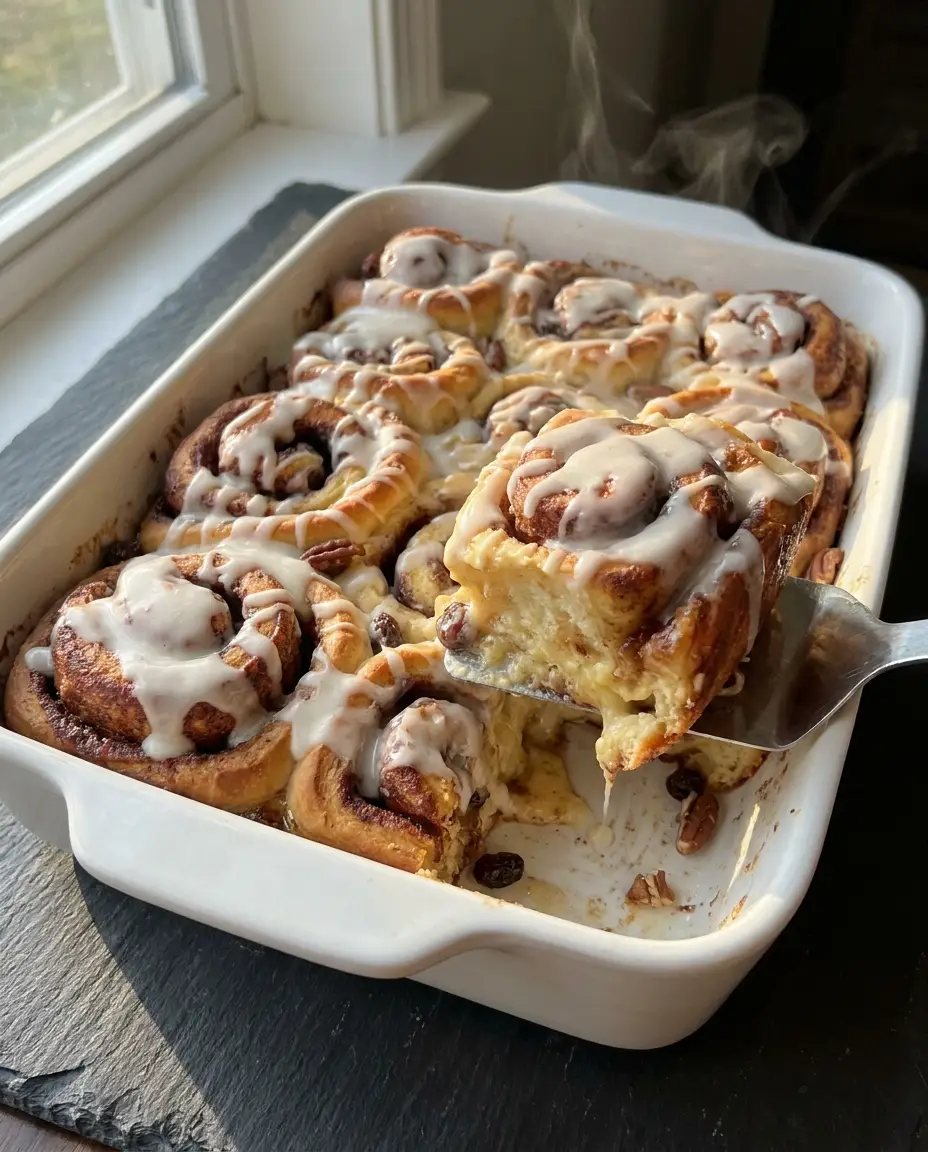
Sheet cakes and cupcakes are easiest for parties because portions are simple. Loaf and snack cakes travel well and usually need less decoration. A mug cake is the fastest option, but it should be eaten promptly because microwave cakes firm as they cool.
Measure flour without packing it, check the pan size, and let cakes cool before frosting. The center is done when it springs back lightly and a tester has moist crumbs rather than wet batter; baking until the tester is completely dry can produce a dry cake.
Creaming is a mechanical step
When a method says to beat butter and sugar until light, it is asking you to drive air into the fat using the sugar crystals as tiny blades. That trapped air supplies much of the rise, and the leavening only expands bubbles that already exist. Three to five minutes on medium speed is normal, and the mixture should visibly pale and grow. Fat that has gone greasy or half-melted cannot hold those bubbles, so start with butter cool enough to dent rather than smear.
Oil-based batters skip this entirely and depend on chemical leavening alone. They are more forgiving and stay softer in the fridge, which is why so many chocolate recipes are built on oil.
Room-temperature eggs and dairy
Cold eggs dropped into creamed butter chill the fat and break the emulsion, leaving a curdled-looking batter that bakes into a coarse crumb. Bring eggs, milk, buttermilk and sour cream out thirty to sixty minutes ahead, or sit whole eggs in warm tap water for five. Should the batter split anyway, beating in a spoonful of the measured flour usually pulls it back together.
Weigh the flour
Flour is where volume measuring does the most damage. A cup of all-purpose flour is around 125 grams, but pushing the cup straight into the bag compacts it and can add a great deal more. Across several cups that is the difference between a tender crumb and a tight, dry one. A scale removes the variable entirely. Without one, stir the flour, spoon it lightly into the cup, and sweep the top level with a straight edge.
Why the pan size on the label matters
Batter depth changes baking time far more than the brand of oven does. Spread into something wider than specified, a batter bakes fast and dries at the rim; squeezed into something smaller it domes, cracks and can stay raw in the middle. Measure across the top inside edge if you are unsure. Pale metal gives even, gentle sides, while dark and nonstick finishes absorb more heat, so check sooner and consider dropping the oven by 25°F.
Knowing when it is baked
Read two signals together rather than trusting one. The surface should resist a light press, and the sides should have begun to pull away from the tin. In a deep loaf where a skewer can mislead, an instant-read thermometer at the centre of a butter or oil cake sits near 205°F when set. Where a baked custard or curd forms part of the cake, that filling is an egg dish and needs 160°F (71°C).
Cooling, frosting and transport
Leave cakes in the tin for ten to fifteen minutes so the structure firms, then turn them onto a rack. Frosting anything still warm melts buttercream into a slick. If time is tight, a cooled sheet cake can sit uncovered in the fridge for twenty minutes to speed things along. Sheet cakes travel in their own tin with a lid, and loaf or snack cakes are the safest bet for a car journey.
How these were chosen
These were picked for standard tin sizes, supermarket ingredients, and directions that name a visible or measurable finish. None depends on a stand mixer, a turntable or any piping skill.
Recipes in this collection