Choosing a beef dinner
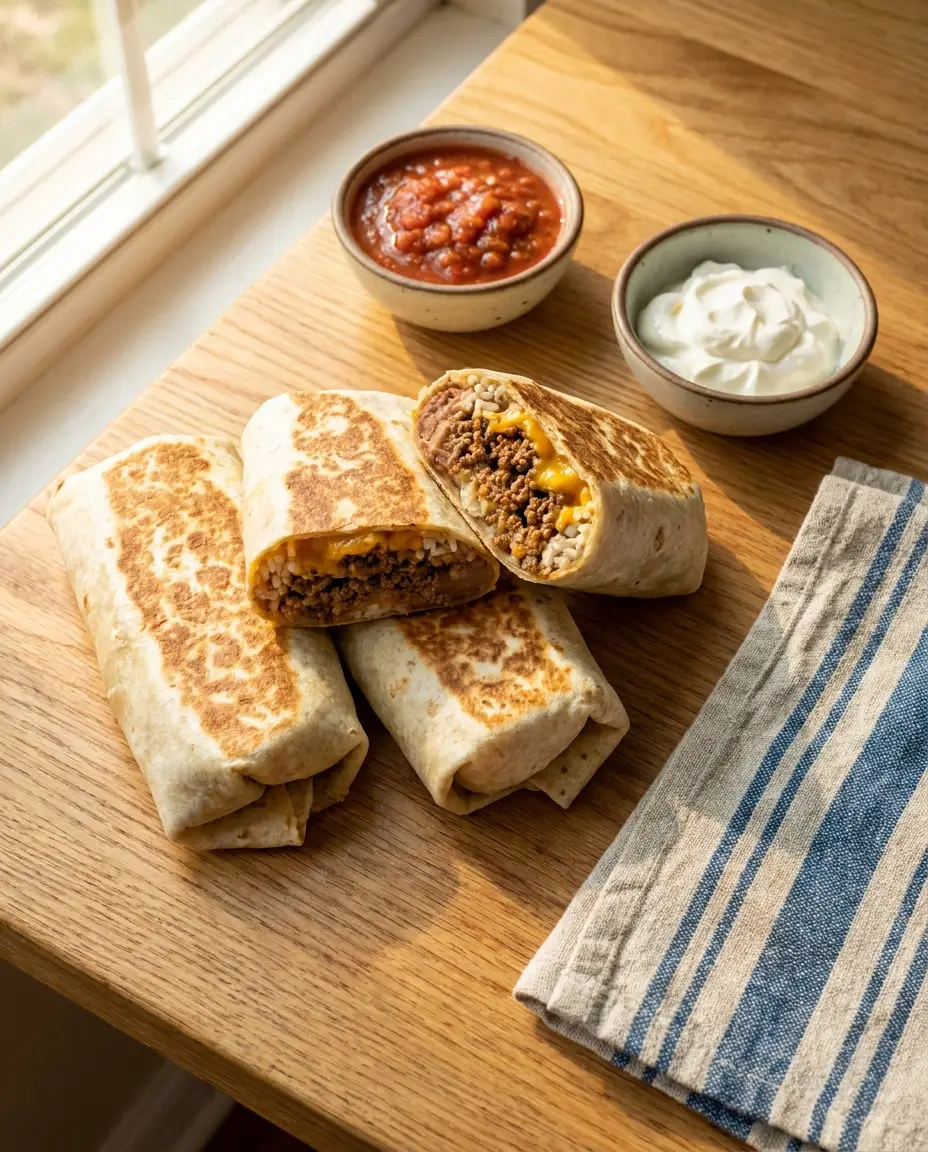
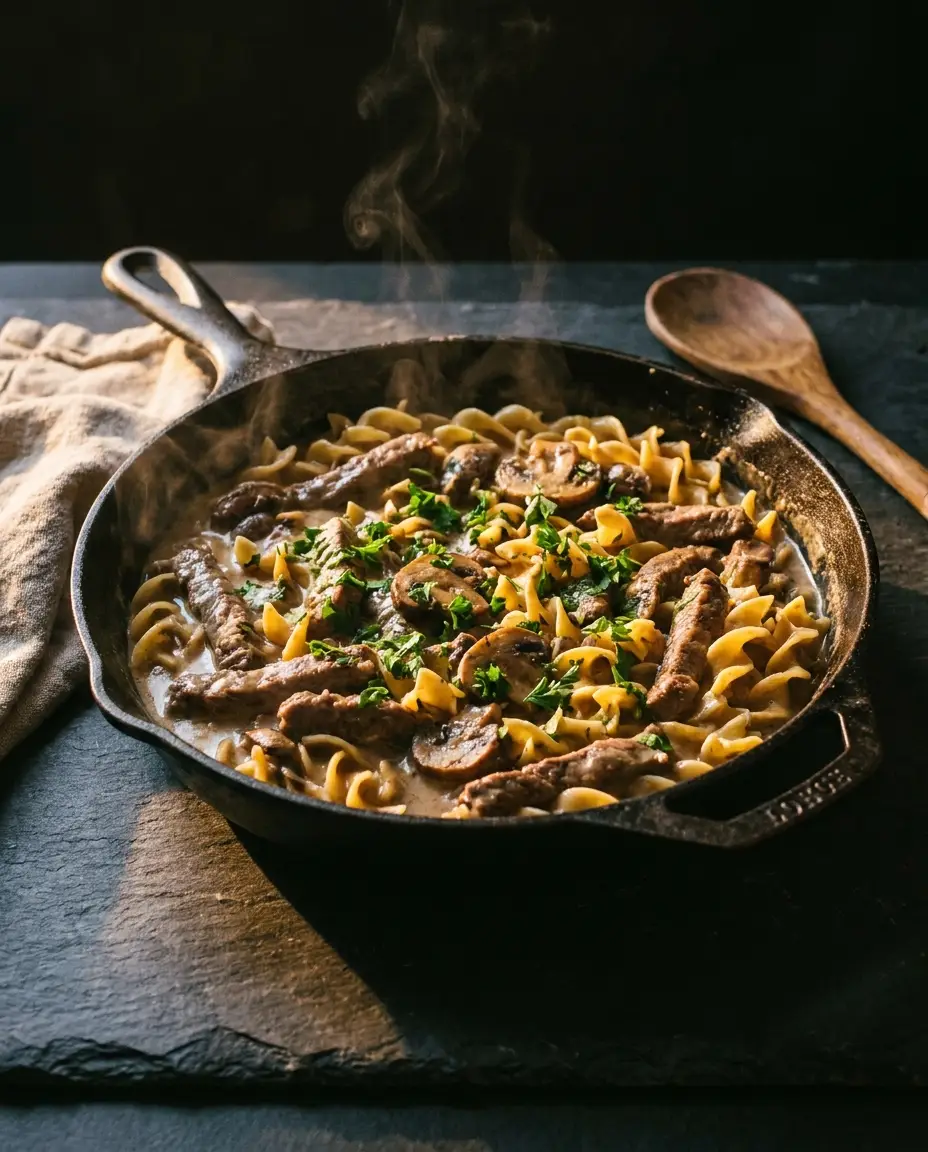
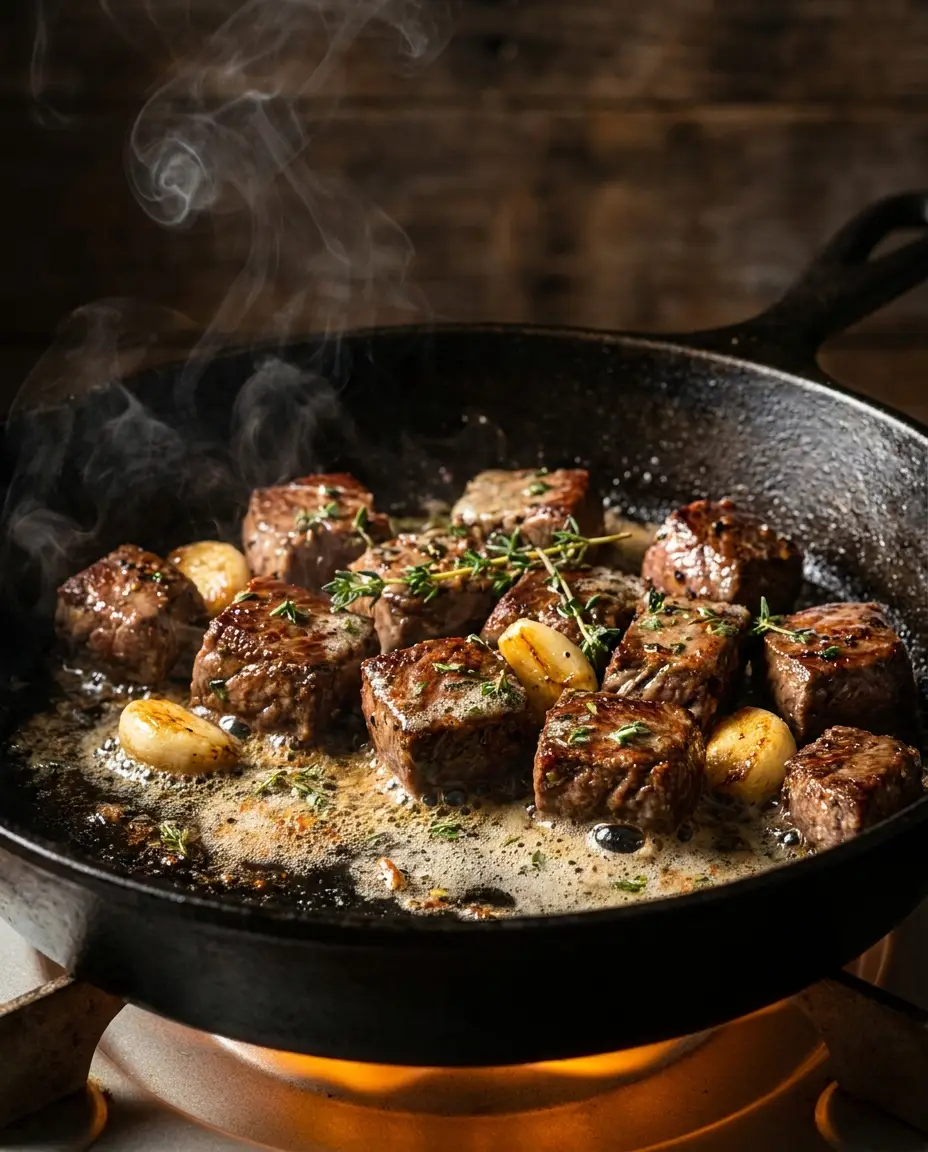
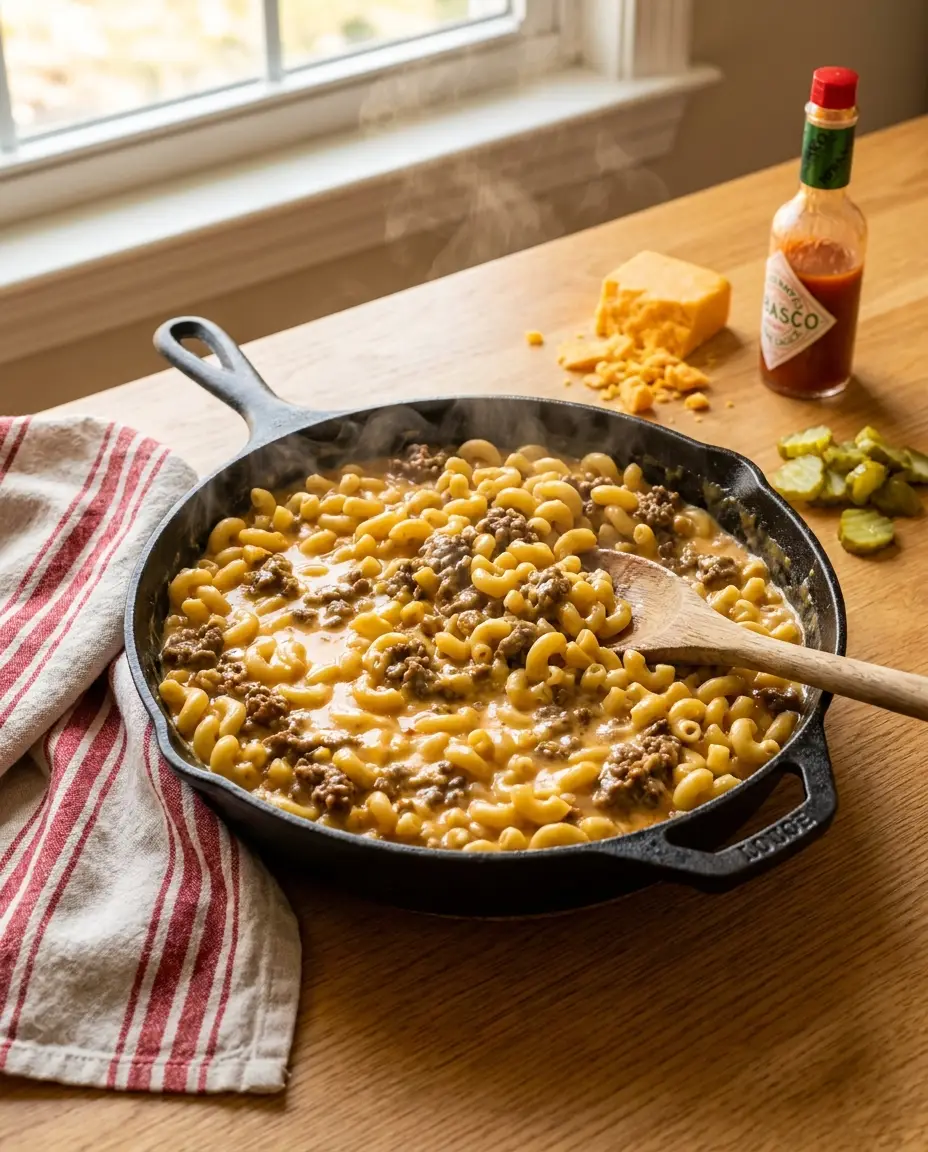
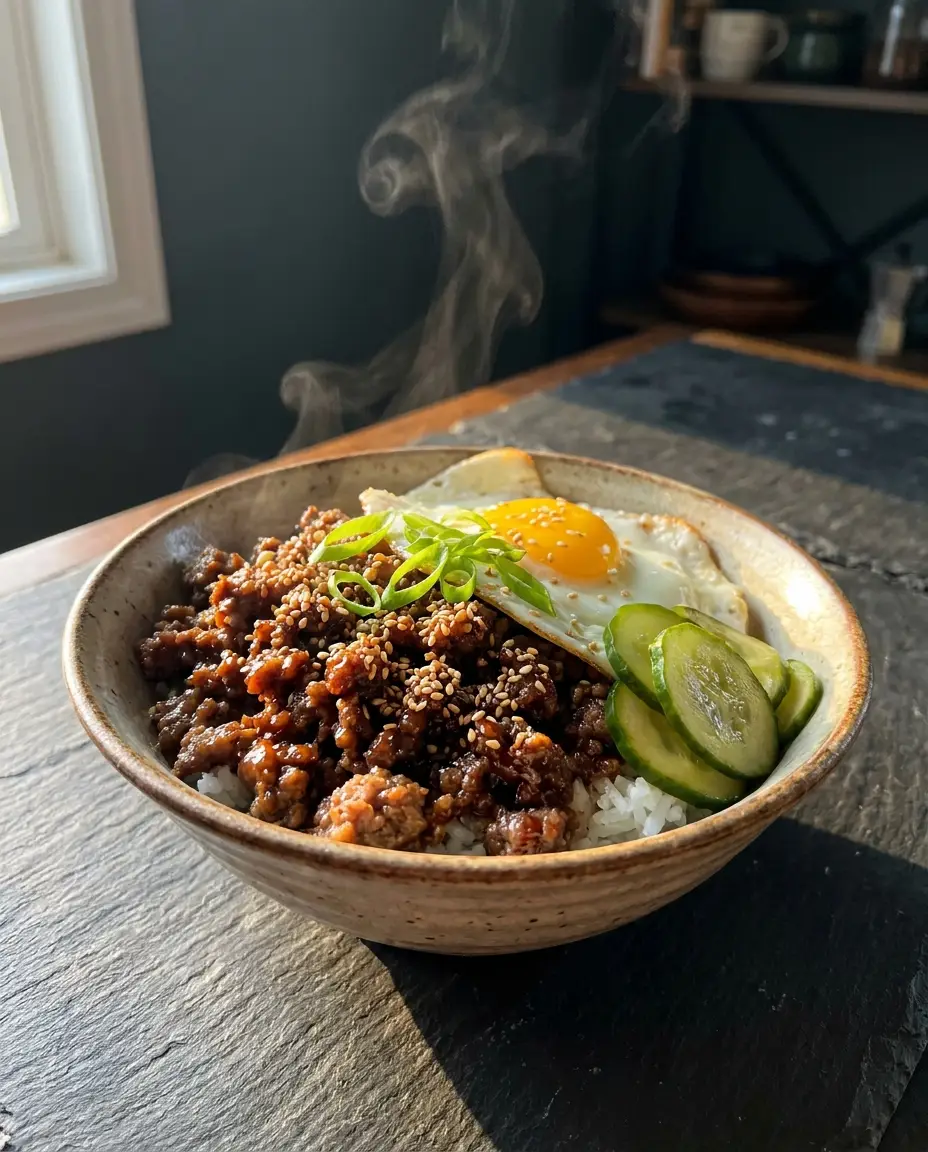
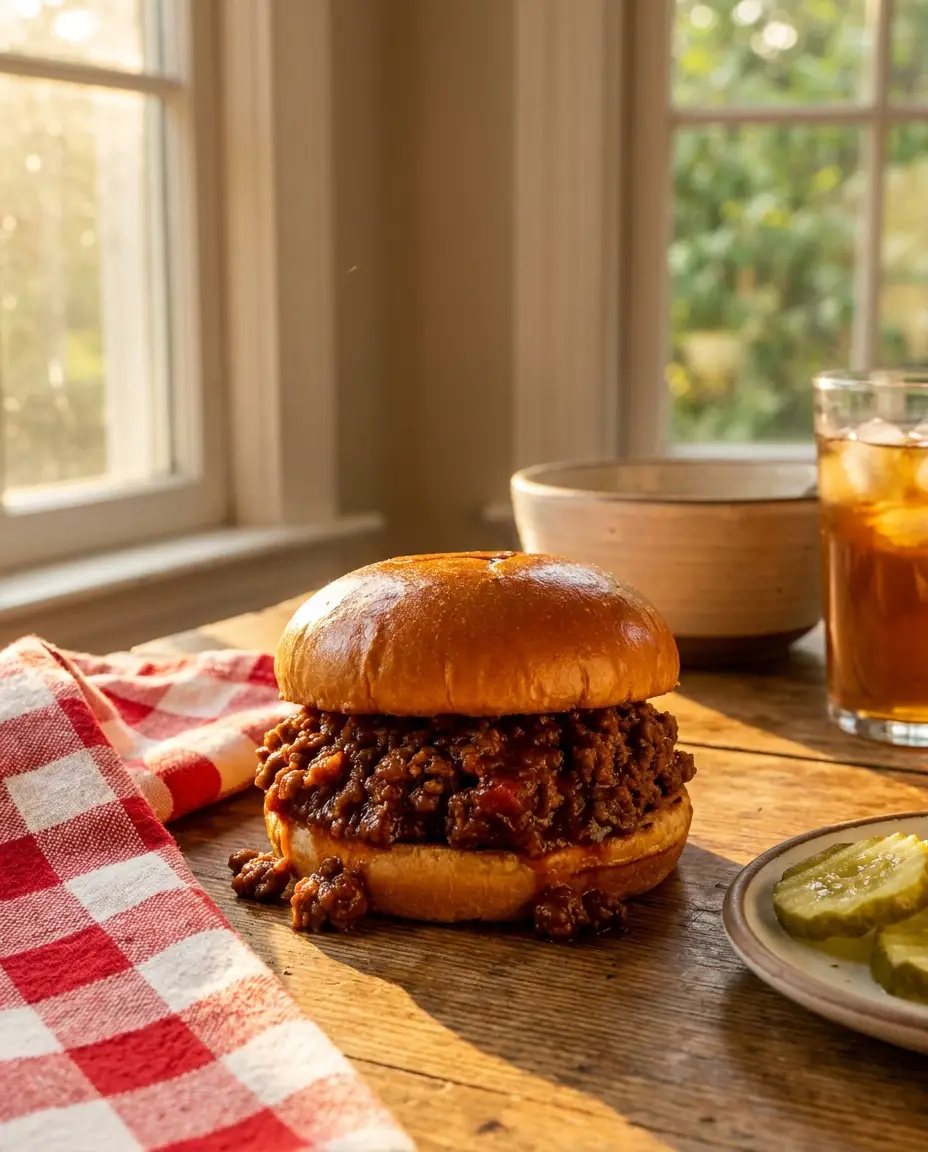
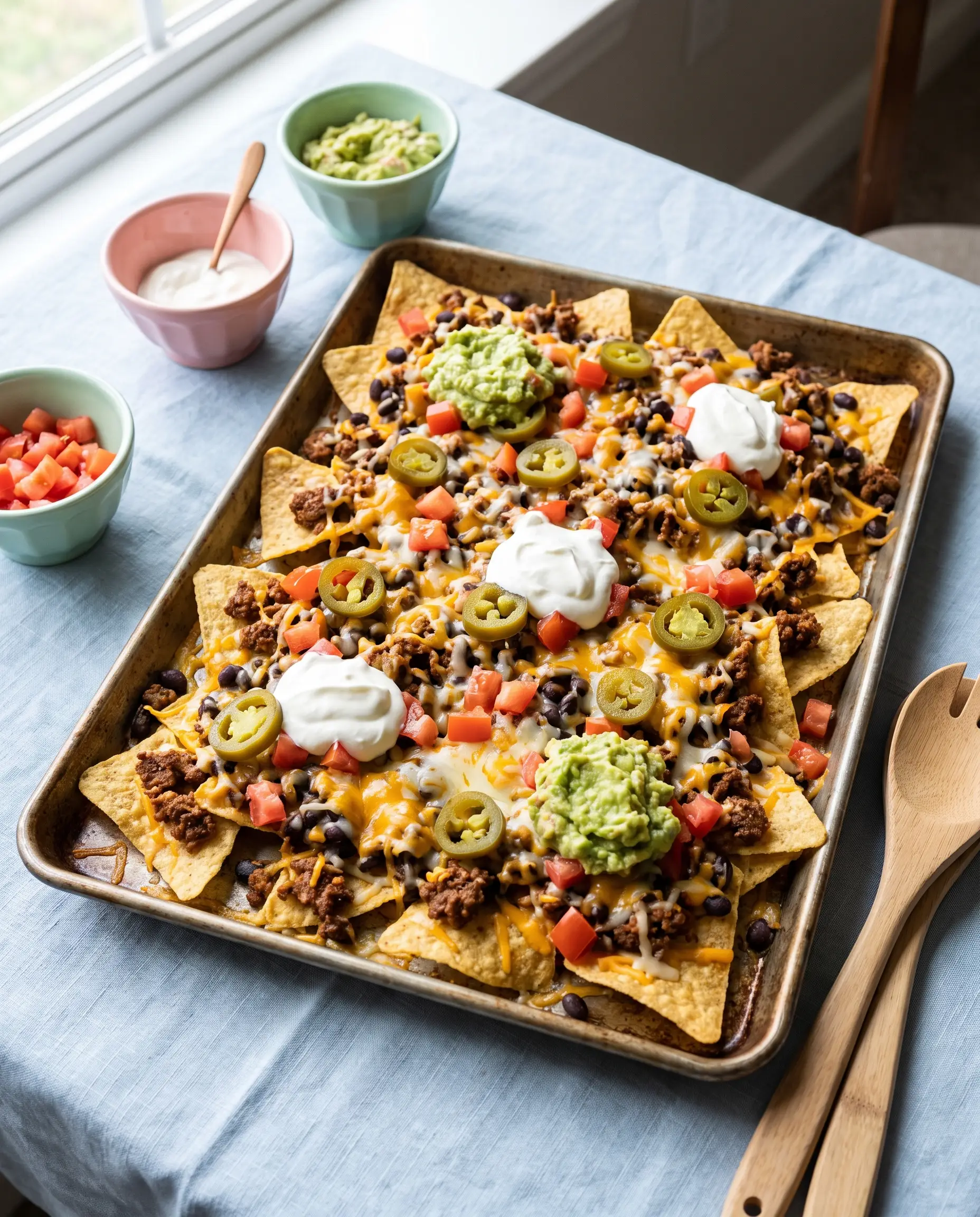
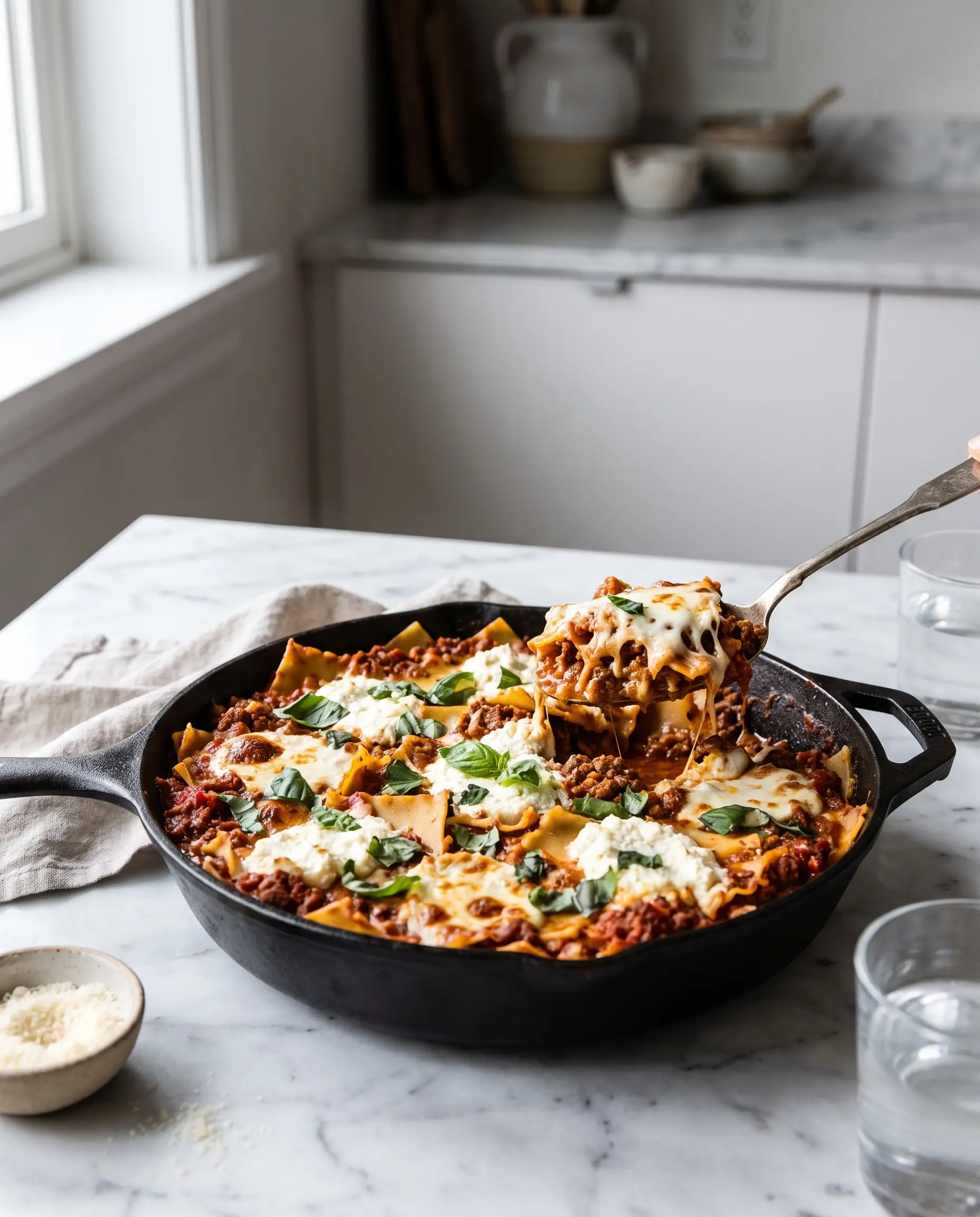
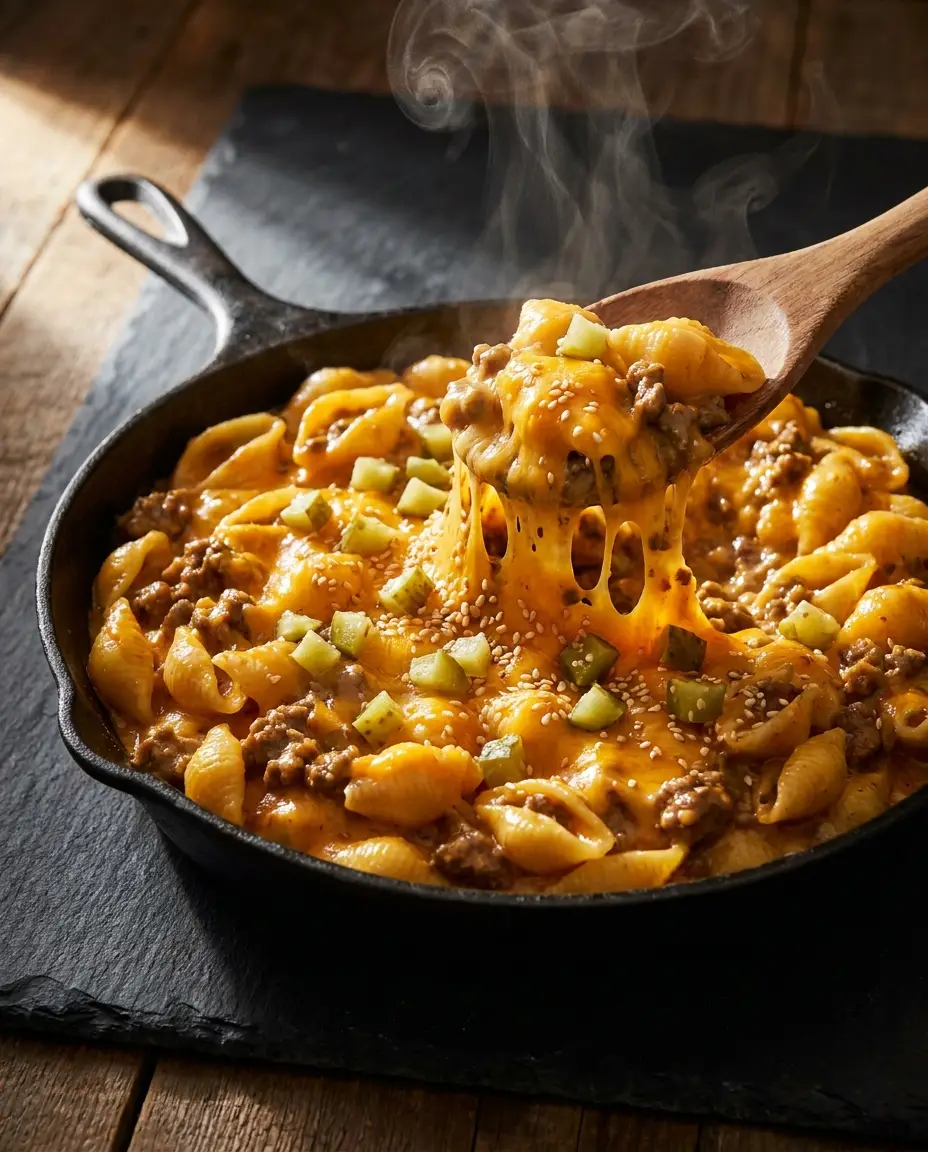
Match the cut and method to the time available. Ground beef is suited to fast skillets, bowls, pasta, burritos, and sloppy joes. Tougher cuts become tender with long, moist cooking, while steak bites need brief high heat to avoid overcooking.
Brown in uncrowded batches when deep flavor matters, then use the browned bits in the sauce. For roasts and meatloaf, use temperature and texture together: safe doneness matters, but collagen-rich cuts may need additional time beyond the minimum temperature to become tender.
The cut decides the method
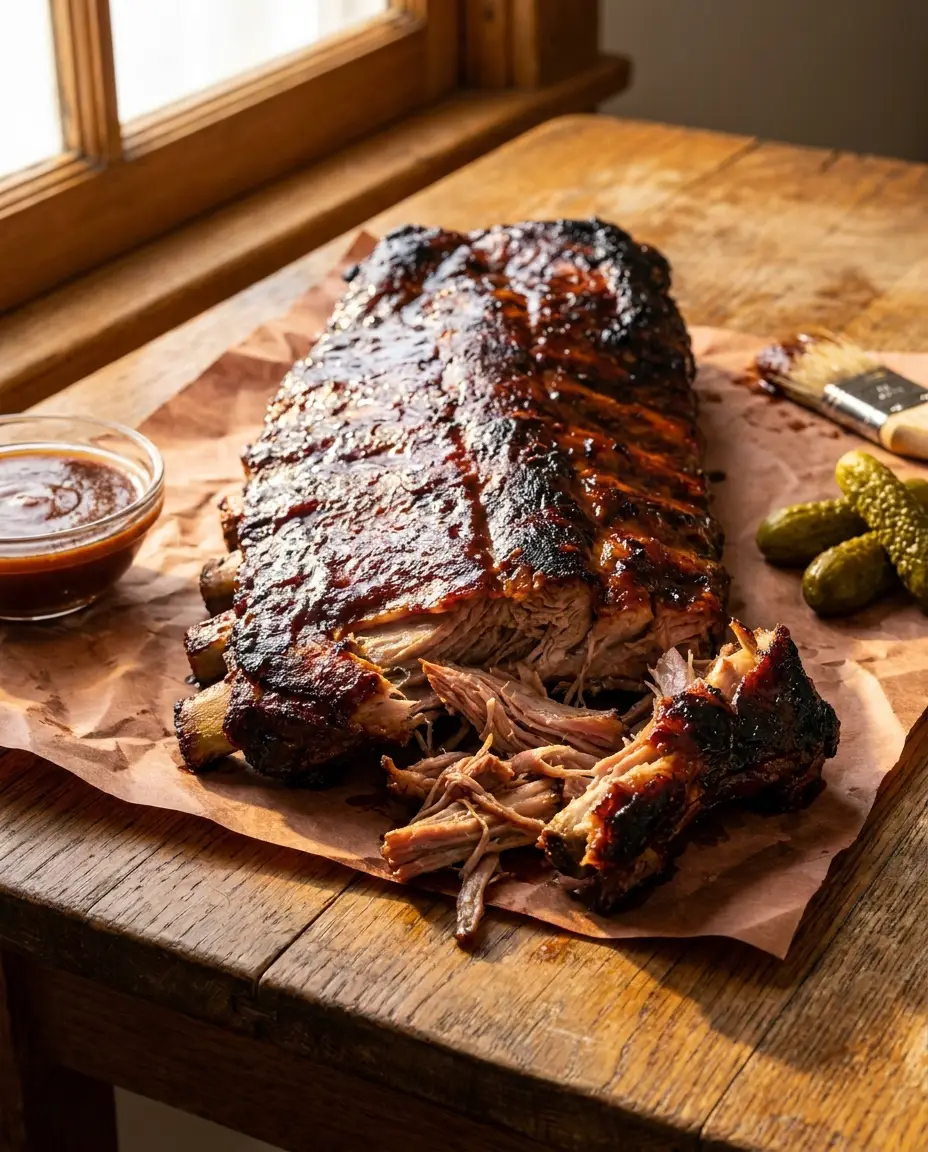
Beef divides into two broad groups that are not interchangeable. Muscles that did little work, such as tenderloin, strip and sirloin, arrive tender and want fast, fierce heat with no chance to dry out. Hard-working cuts laced with connective tissue, such as chuck, brisket and short rib, are tough when hurried but turn silky over a long, moist cook as collagen becomes gelatin. Putting a chuck roast under a hot broiler, or braising a sirloin for hours, wastes perfectly good meat.
Minced beef sits outside both groups, where fat content is the variable that counts. Leaner mixes suit sauces in which the meat simmers in liquid, while fattier ones hold together far better in burgers and meatloaf.
Browning properly
An overfilled pan is the commonest mistake in this category. Meat sheds water as it heats, and when the pan is packed that water cannot escape, so the temperature stalls below the point where browning begins and the surface turns grey. Pat it dry, get the pan genuinely hot, work in batches, and leave each piece alone until it releases by itself. The stuck residue underneath is concentrated flavour, and a splash of stock, wine or water lifts it into the sauce.
Safe temperatures
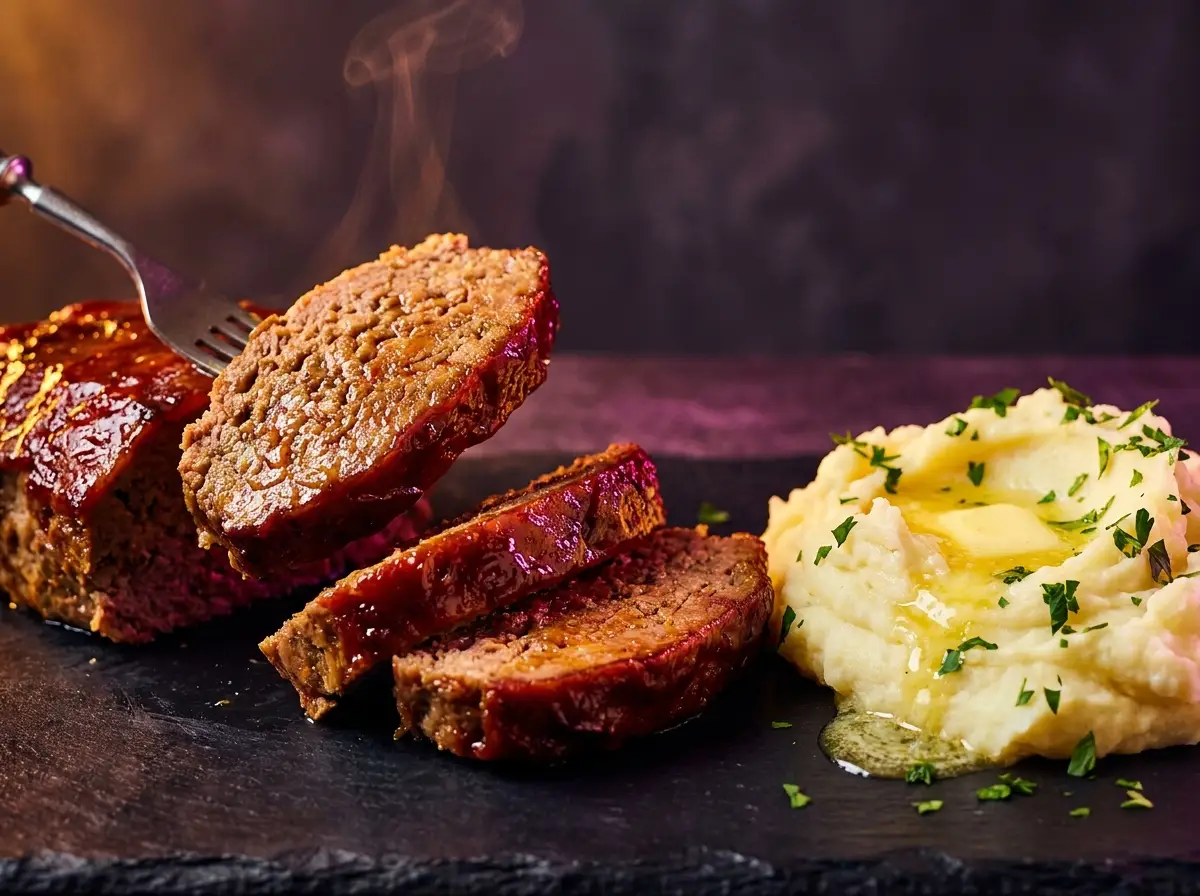
Whole cuts such as steaks and roasts are safe at 145°F (63°C) followed by a three-minute rest. Anything minced, burgers and meatloaf included, has to reach 160°F (71°C) throughout, because grinding spreads surface bacteria through the entire mixture. Read the thickest part with an instant-read thermometer, clear of bone and of the pan itself. Those figures are minimums for safety, and cooking a steak below them is a choice made outside the guidance rather than within it.
Resting and carryover
Lift meat off the heat a few degrees short of target, since a large roast keeps climbing as heat travels inwards. Resting lets the juices redistribute instead of flooding the board: five to ten minutes suits steaks and small pieces, twenty or more suits a roast, tented loosely so the surface does not steam itself soft. Slice across the grain, which shortens the muscle fibres and makes even a firm cut easier to chew.
Braising and pulling
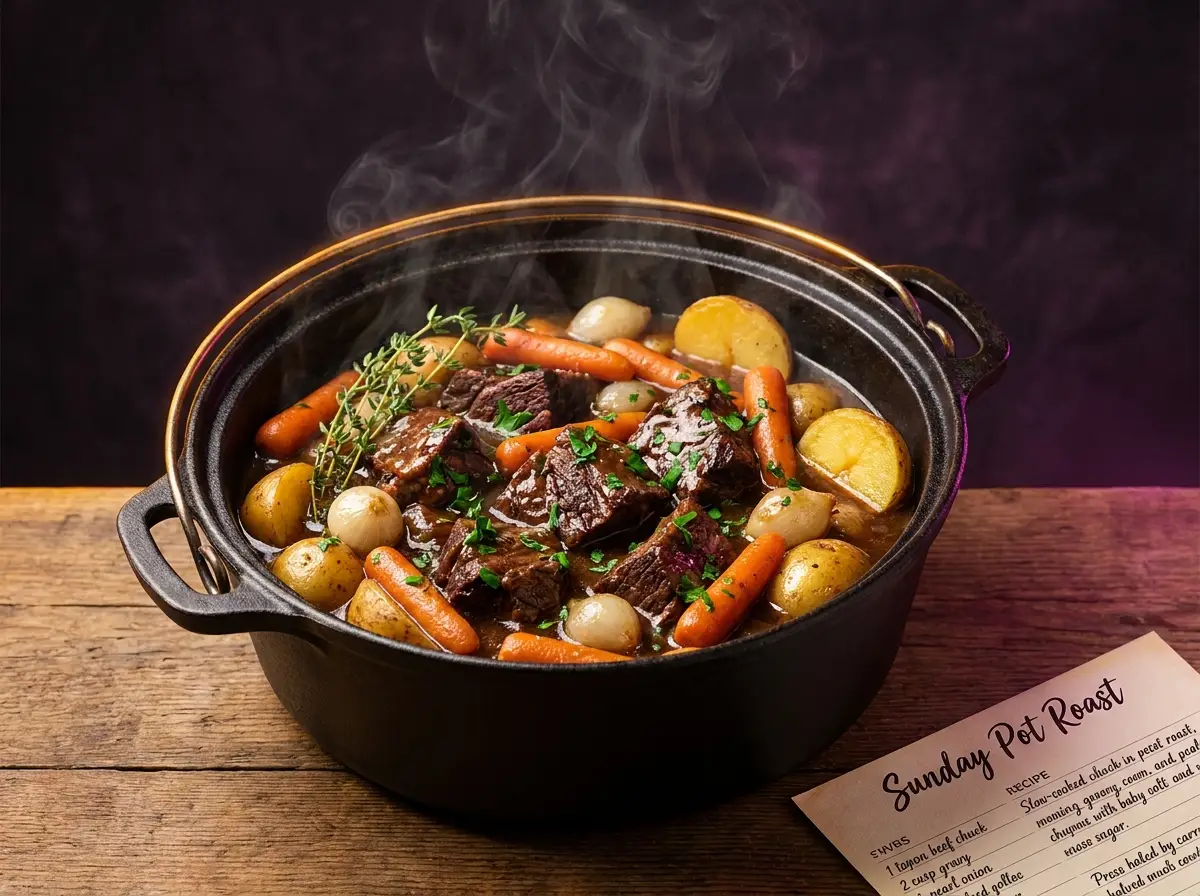
For a pot roast or anything destined to be shredded, the endpoint is a texture rather than a safety figure. Collagen-rich cuts need to travel well beyond the minimum, usually into the region of 195°F to 205°F, before a fork twists through unresisted. A tough braise is far more often underdone than overdone.
Buying and substituting
A thermometer is the one purchase worth making for this category; the rest can be improvised. A heavy skillet holds heat better than a thin one, and cast iron is the cheapest route to that. Where a recipe names a cut you cannot find, match the group rather than the label: another quick-cooking steak for a steak, another well-worked shoulder cut for a braise.
How these were chosen
The recipes gathered here use cuts sold in ordinary supermarkets, state internal temperatures where they matter, and keep active work to a single pan wherever the method allows.
Recipes in this collection