How to choose an air-fryer recipe
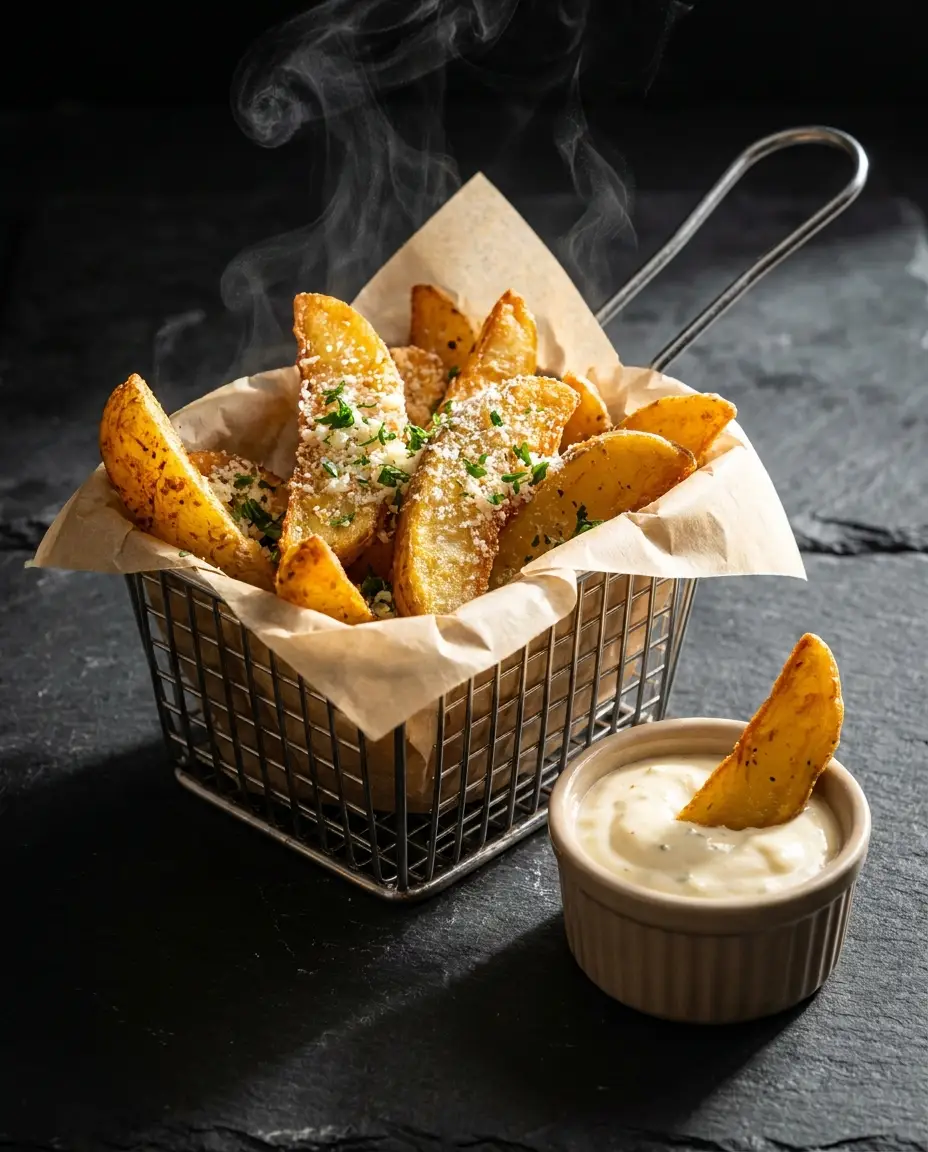
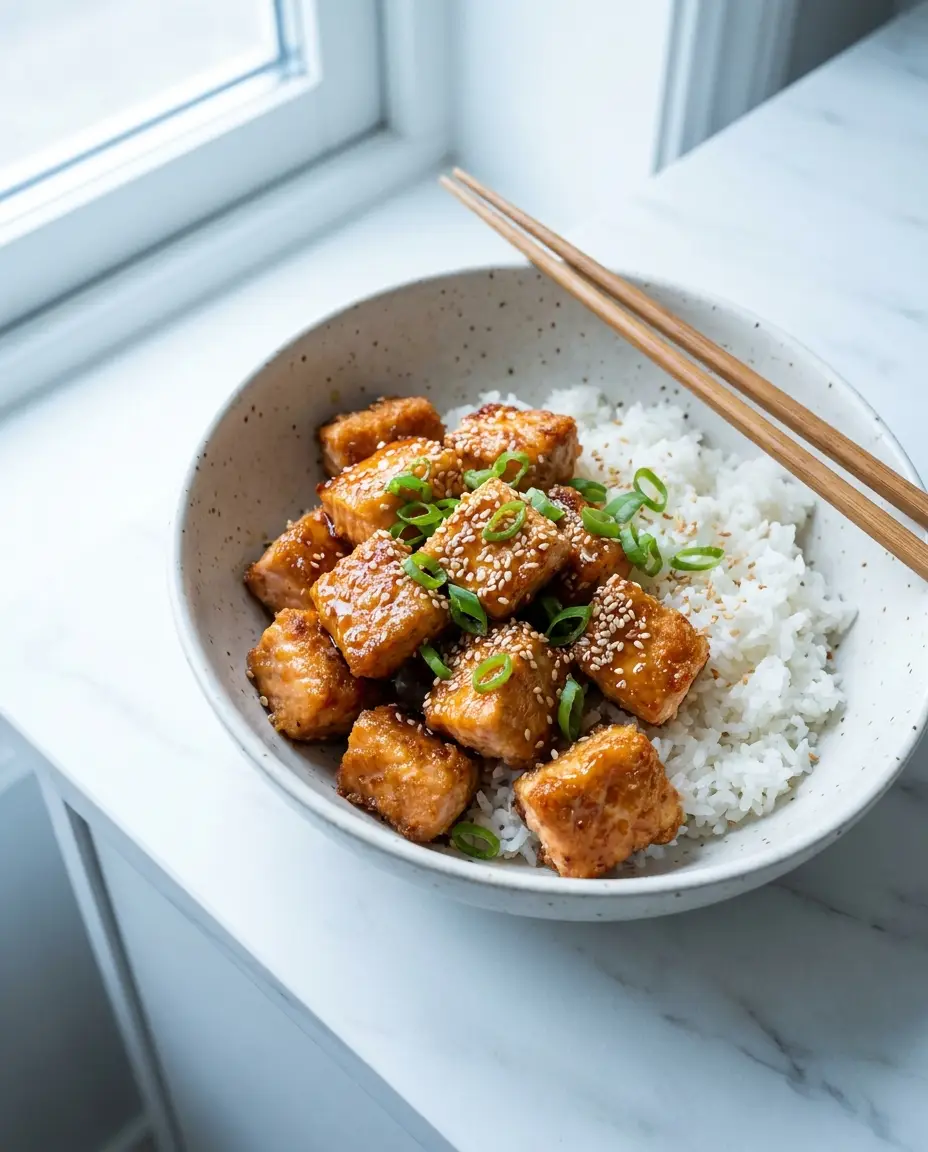
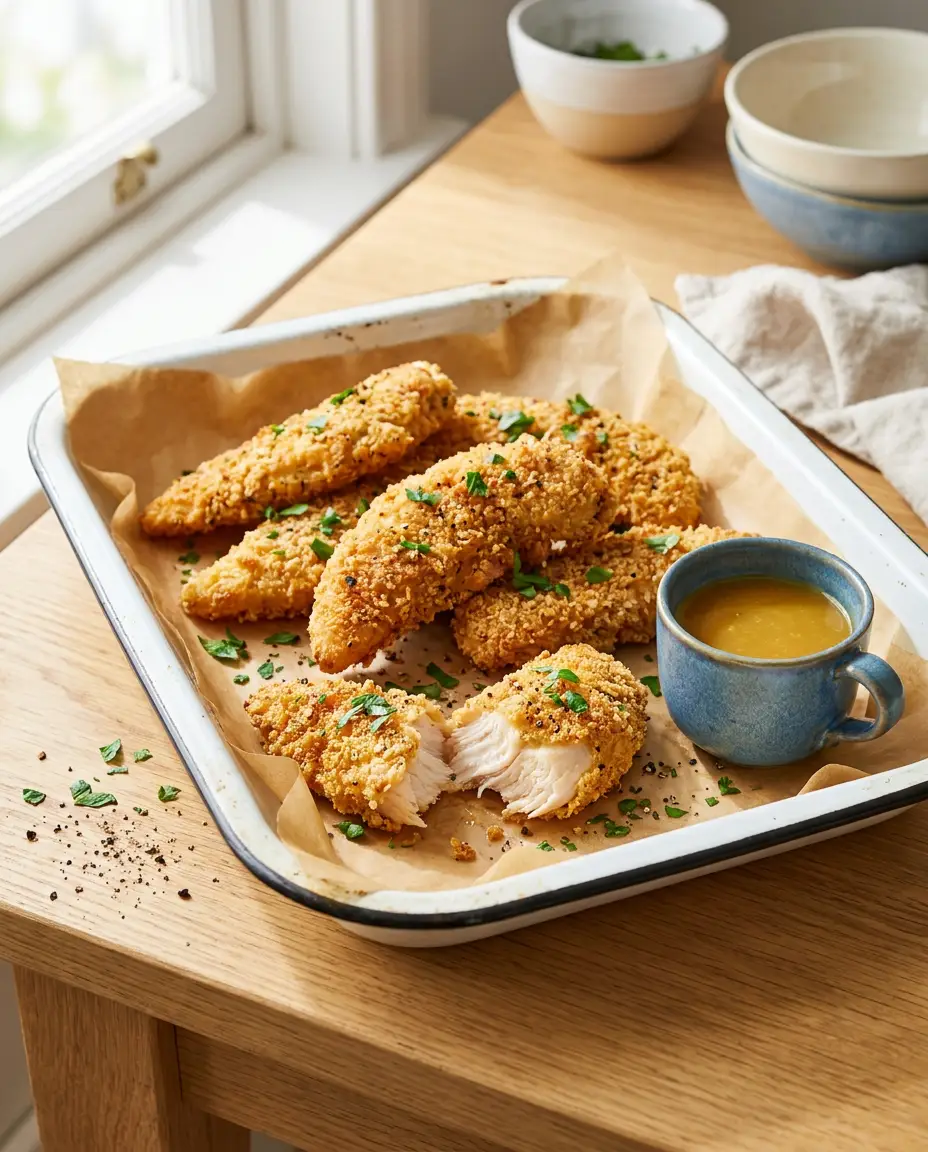
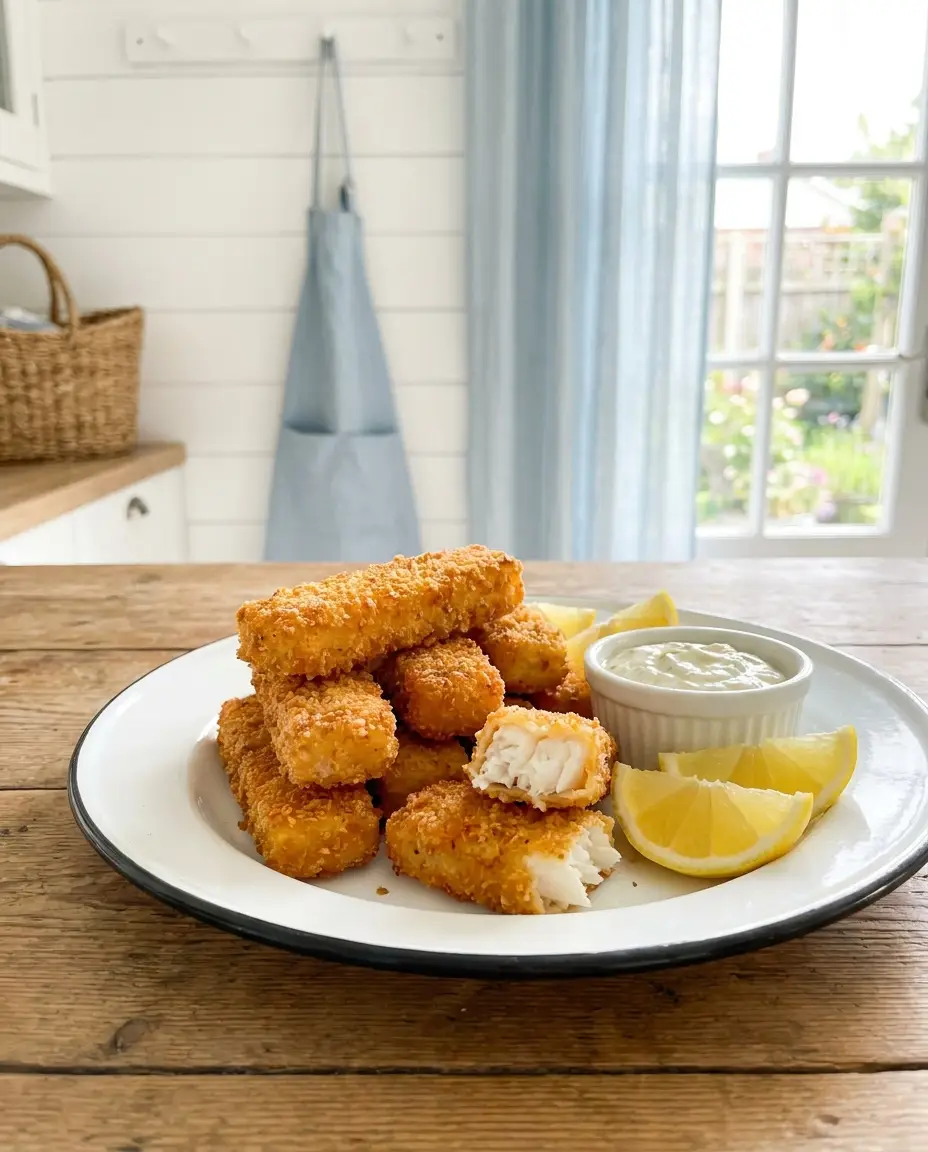
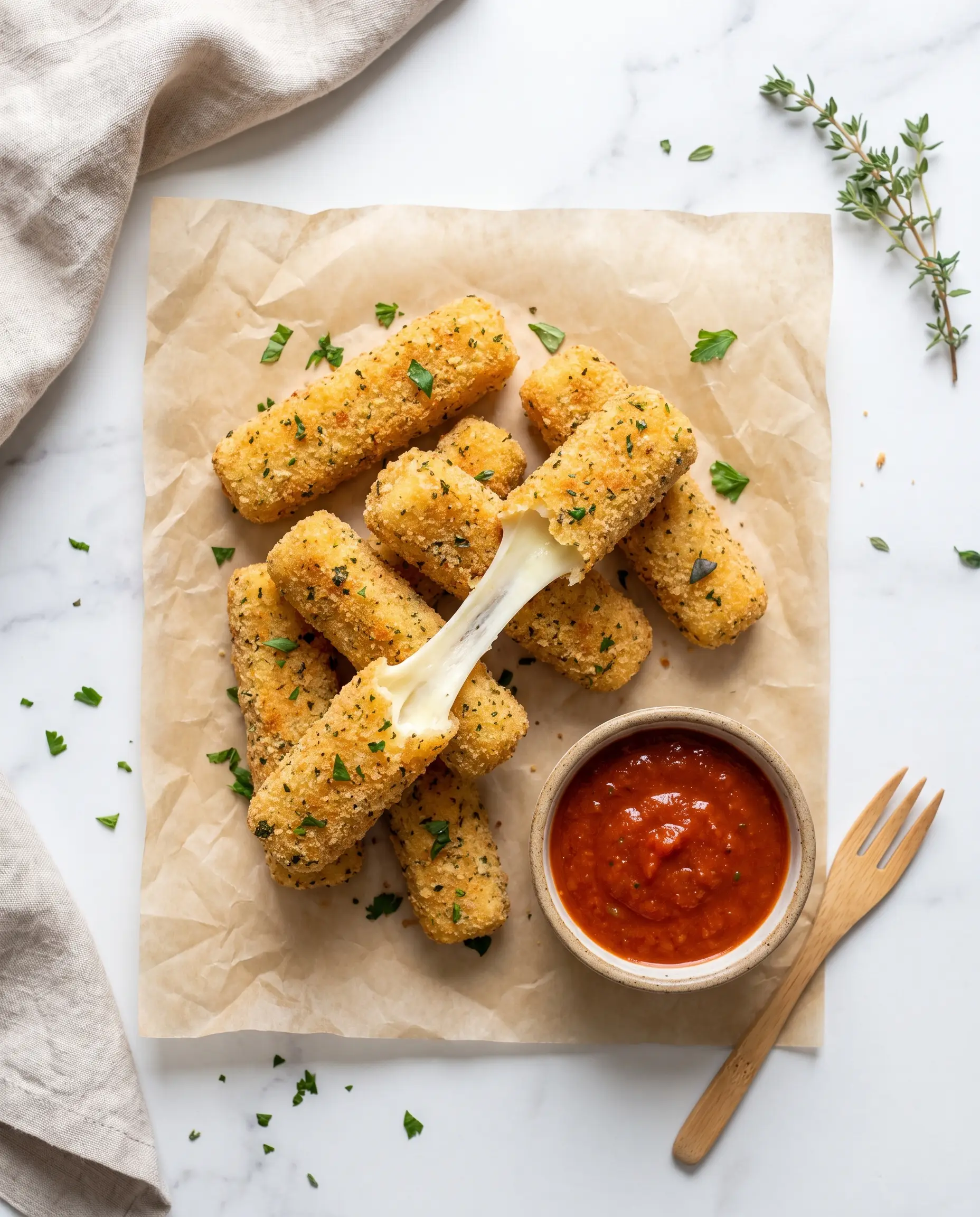
Use the air fryer when surface browning matters and the food can sit in a mostly single layer. Small pieces such as salmon bites, fish sticks, potato wedges, and chicken tenders cook especially evenly because hot air can reach several sides.
For the best texture, preheat when the recipe requests it, leave space between pieces, and cook in batches instead of stacking. An instant-read thermometer remains the safest doneness check for chicken and fish; color alone is not reliable.
Preheat, then leave room
This is a small convection oven, and like any oven it browns properly only once it is already hot. Three to five minutes empty at the cooking temperature is usually enough, and food dropped into a cold basket steams during the minutes the machine spends catching up. Crowding causes the same problem from the other direction: piled food blocks the airflow, traps moisture, and comes out pale and soft however long it runs.
A single layer with visible gaps is the target. Two smaller batches finish sooner and better than one overloaded drawer, and the second goes quicker because the machine is already up to heat.
Why wet batter fails here
Deep frying sets a liquid batter instantly because hot oil surrounds it on every side. Moving air cannot do that. A thin batter simply drips through the basket and bakes onto the element below. Coatings that do work are dry and already structured: seasoned flour pressed on firmly, panko or crushed cereal over a thin binder, or a breaded product built for an oven. A light spray of oil over that coating is what turns it golden rather than chalky.
Converting an oven recipe
Drop the stated oven temperature by about 25°F and begin checking at roughly two-thirds of the written time. The fan pushes heat onto the surface far more efficiently than still air, so the outside runs ahead of the inside. Shake the basket or turn larger pieces halfway. Anything light enough to be blown about, such as loose parchment or a slice of cheese, should be weighted down or added in the final minutes.
Temperature, not colour
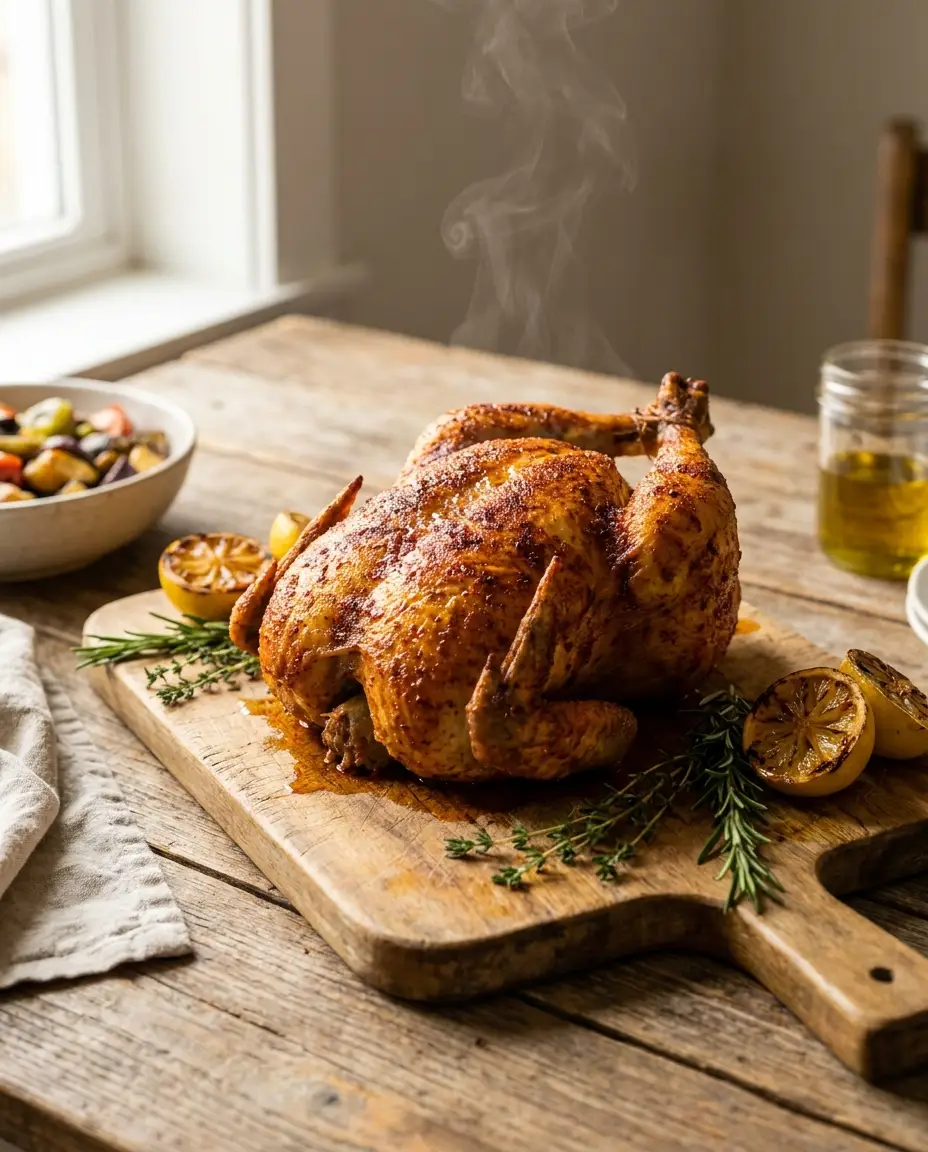
Browning in a fan-driven basket happens quickly and tells you very little about the centre. Poultry needs 165°F (74°C) at the thickest point away from bone, fish needs 145°F (63°C), and anything made from ground meat needs 160°F (71°C). Reach for an instant-read thermometer every time. With a whole bird, read the deepest part of the thigh as well as the breast, and rest it before carving.
Fat, smoke and cleaning
A small amount of oil helps, while pooled oil smokes. Toss food with oil in a bowl instead of spraying into the basket, and avoid aerosol sprays whose propellants degrade nonstick coatings over time. When cooking something fatty, a tablespoon of water in the drawer under the basket stops rendered fat from burning. Wash the basket after every use, since baked-on residue is what usually sets off smoke on the following run.
If you do not own one
Everything in this group can be made in a conventional oven on a wire rack set over a baking sheet, which imitates the all-round airflow reasonably well. Add the 25°F back, allow more time, and accept slightly less crisping. A convection setting narrows that gap considerably.
How these were chosen
These were picked because the food is cut small enough to sit in one layer, the coatings are dry rather than wet, and every recipe names a measurable finish instead of a shade of brown.
Recipes in this collection