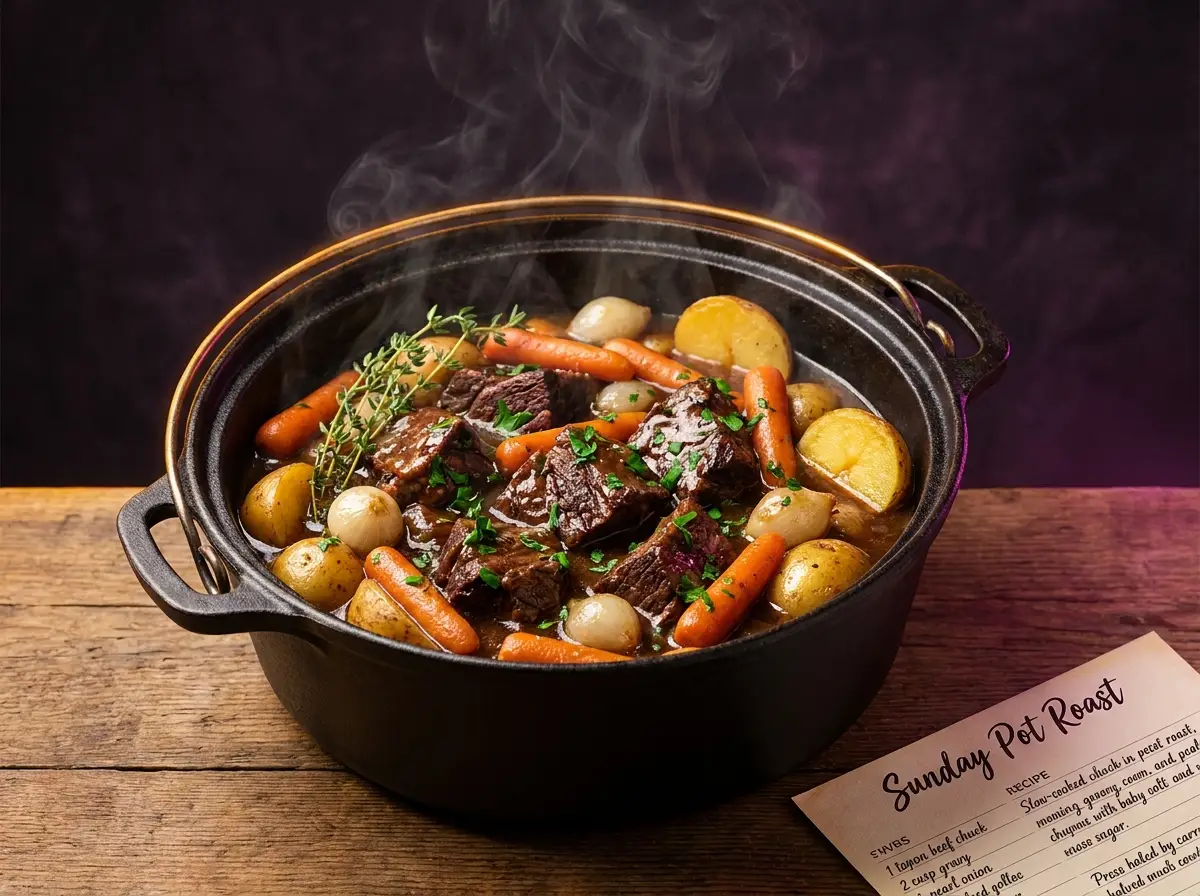
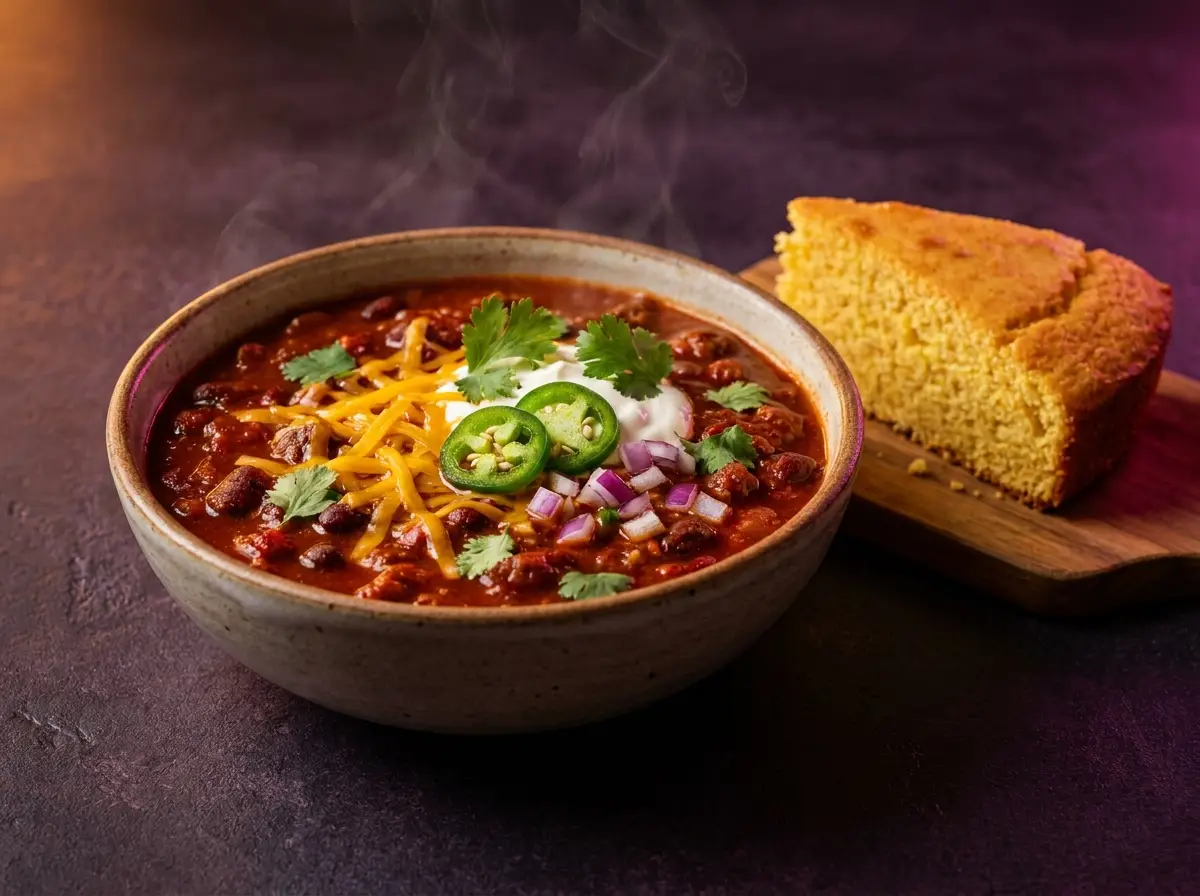
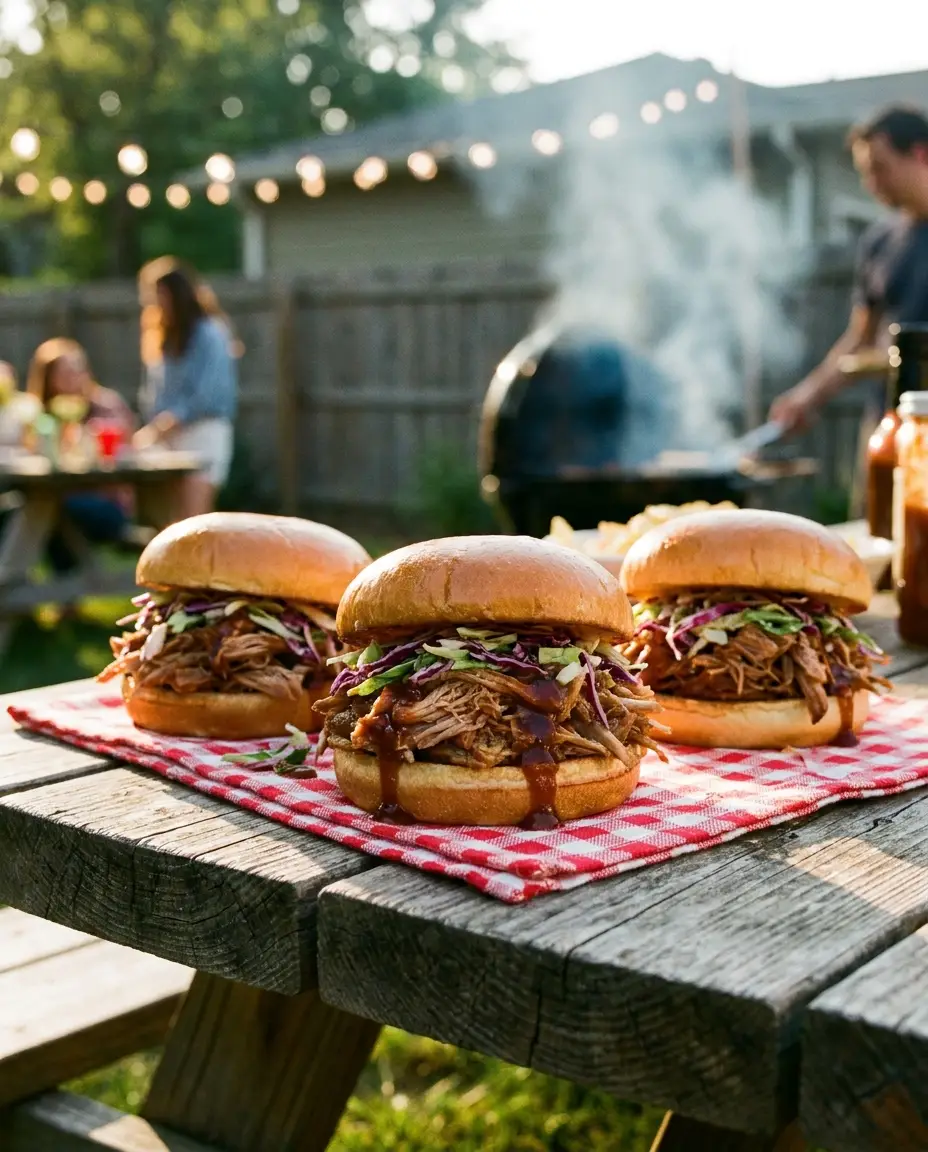
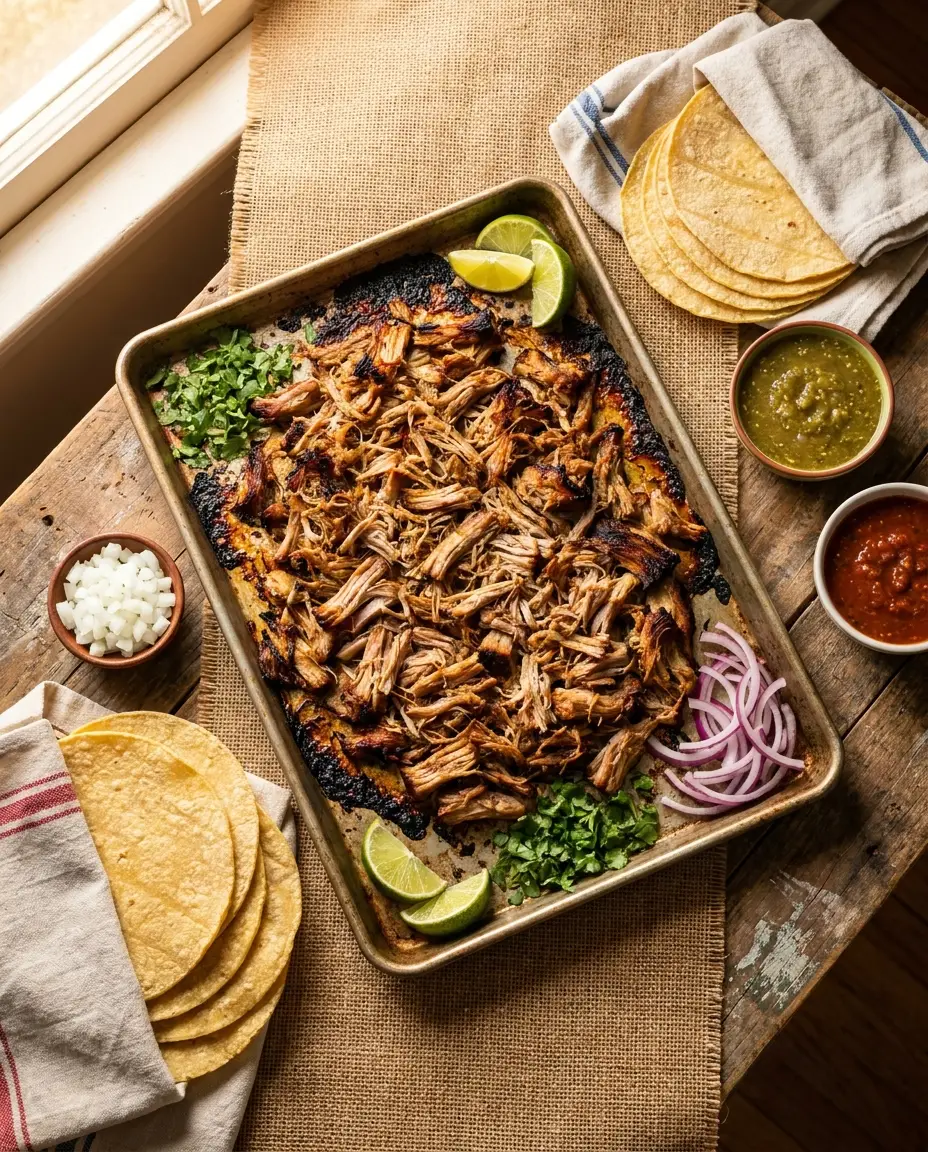
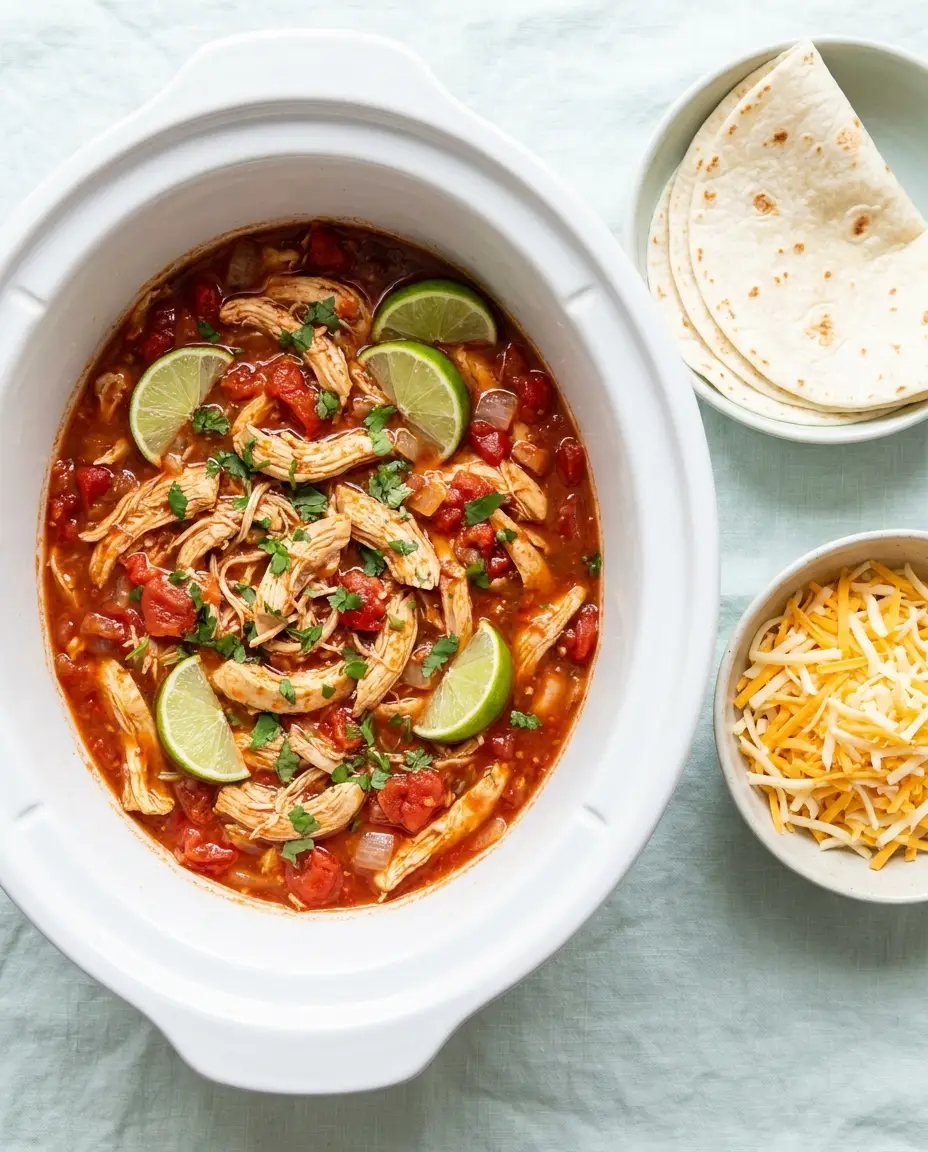
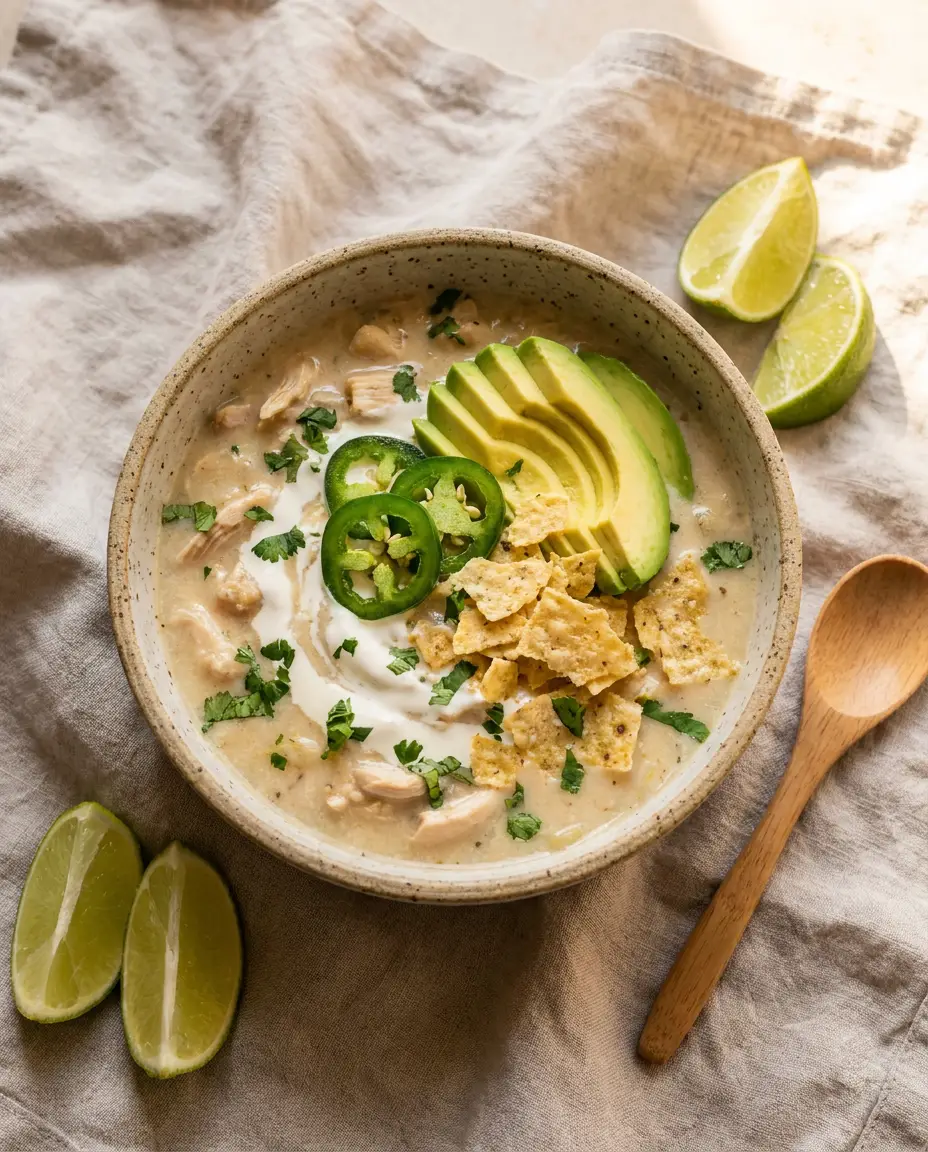
Use the slow cooker for texture, not just convenience
The slow cooker is best for collagen-rich meat, beans, chili, and dishes that benefit from a long gentle simmer. Lean meat can dry out, and frozen meat should be thawed before slow cooking so it does not spend too long warming through unsafe temperatures.
Keep the lid closed unless the recipe says otherwise; each opening releases heat and moisture. Add dairy, fresh herbs, or crisp finishes near the end. For pulled meat, tenderness matters as much as temperature: it should separate easily without becoming dry or stringy.
LOW and HIGH share a destination
Both settings drive the contents towards roughly the same simmering temperature; HIGH merely arrives sooner. That is why one recipe can offer four hours on the faster setting or eight on the slower for the same dish. The longer route gives collagen more time to soften at moderate heat, which is why well-worked cuts generally turn out better that way even though the endpoint reads alike.
Newer appliances often run hotter than older ones. Where food is consistently overdone, treat the shortest time given as the first moment to check rather than as the target.
The lid is part of the appliance
This machine cooks with trapped steam as much as with heat from its base. Every time the lid comes off, that steam escapes and the pot must climb back, which typically costs fifteen to twenty minutes. Stir only where a method asks for it, and resist looking during the first half.
For the same reason, very little evaporates. A stew written for the stovetop will usually come out too wet here, so cut the added liquid noticeably and expect the meat and vegetables to give back more than you expect.
Browning, and when the extra pan pays
Nothing browns inside a covered crock; the environment is too wet and never hot enough. Searing meat and softening onions in a skillet beforehand creates roasted, savoury notes that a long damp simmer cannot generate on its own, and the residue scraped up with a splash of liquid goes straight into the pot. For chili, pot roast and pulled meat this is the single largest difference in flavour. For sauce-driven dishes built on salsa or jarred ingredients it matters much less.
What goes in late
Milk, cream, soured cream and most cheeses separate over a long cook, so stir them through in the final half hour with the setting down. Pasta and rice disintegrate, so cook them apart or add them near the finish. Fresh herbs, citrus juice and anything meant to stay crisp belong at the very end. Meat should be thawed first, because a slow appliance takes too long to carry a frozen block through the temperature range where bacteria multiply.
Safety and tenderness are separate questions
Pork shoulder is safe at 145°F (63°C) with a three-minute rest, and chicken at 165°F (74°C), both read on a thermometer. Safe, though, is not the same as shreddable. Pulled pork and pot roast only fall apart once the connective tissue has melted, which happens well past that minimum, commonly somewhere around 195°F to 205°F. Judge those by whether a fork twists free without resistance.
Fill level and alternatives
These appliances perform best filled between about half and three-quarters. Too empty and the edges scorch; too full and the middle warms slowly. Without one, nearly all of these dishes can be built in a heavy lidded pot in a 300°F oven, checked rather earlier than the stated range.
How these were chosen
Dishes made the list where a long, wet cooking environment genuinely improves the outcome, not merely where it is possible, and where the shopping is ordinary and the finish is described in terms you can verify.
Recipes in this collection