Mango Lime Coconut Snack Balls Tropical bites with bright citrus
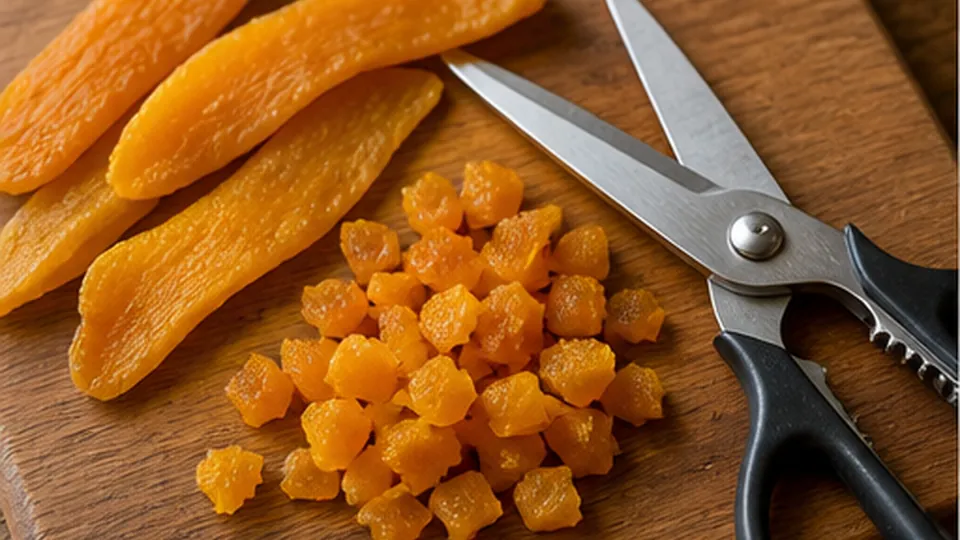
“Kitchen-sheared mango pieces spread evenly through cashew and coconut without jamming the processor.”
Published by MommyCooking.org · Published September 30, 2026
These taste considerably more expensive than they are, which is the appeal. Dried tropical fruit and coconut do the work of a fancy snack bar, and the citrus zest keeps the whole thing from collapsing into sweetness. Eighteen come out of one processor bowl with no cooking at all.
Cut the fruit down before it goes near the blades. Whole dried slices are tough and springy, and a processor will simply throw one large lump around the bowl while the rest of the mixture turns to powder. Raisin-sized pieces let everything break down at the same rate into even crumbs.
🥭 The promise: The balls keep a tight round shape, taste of lime rather than sugar, and stay chewy for days in the refrigerator.
🥭 Everything you need, all in one look🧂 Ingredient notes & easy swaps
Dried mango varies hugely; the soft pliable kind blends easily, while brittle chips need ten minutes soaking and a hard squeeze. Cashews are mild enough to let the fruit lead, and almonds would dominate. Zest is doing the aromatic work, so use the fruit itself rather than bottled juice, which adds water and no perfume.
The prep for tropical bites with bright citrus starts when you add cashew butter, lime zest, and salt; once that is complete, roll 18 equal balls with clean damp hands. Because the food processor and parchment-lined tray sets the exposed surface area, switching sizes could change tropical bites with bright citrus.
The “tropical bites with bright citrus” result depends on letting “Roll 18 equal balls with clean damp hands” do its full job—roll 18 equal balls with clean damp hands; afterward, refrigerate one hour before serving. Rub lime zest through the coconut before rolling the mango-cashew centers.
🍳 What you actually need (equipment)
food processor, kitchen shears, a parchment-lined tray, and a small portion scoop
Snip 2 cups (330 g) dried mango into raisin-sized pieces with kitchen shears, oiling the blades if the fruit sticks. Small pieces let the processor work evenly instead of throwing one big lump around the bowl.
Cut the dried mango small
Process the mango with 1½ cups (180 g) cashews and 1 cup (80 g) coconut for about 45 seconds, until the mixture looks like coarse golden crumbs with no cashew halves left whole.
Grind mango, cashews, coconut
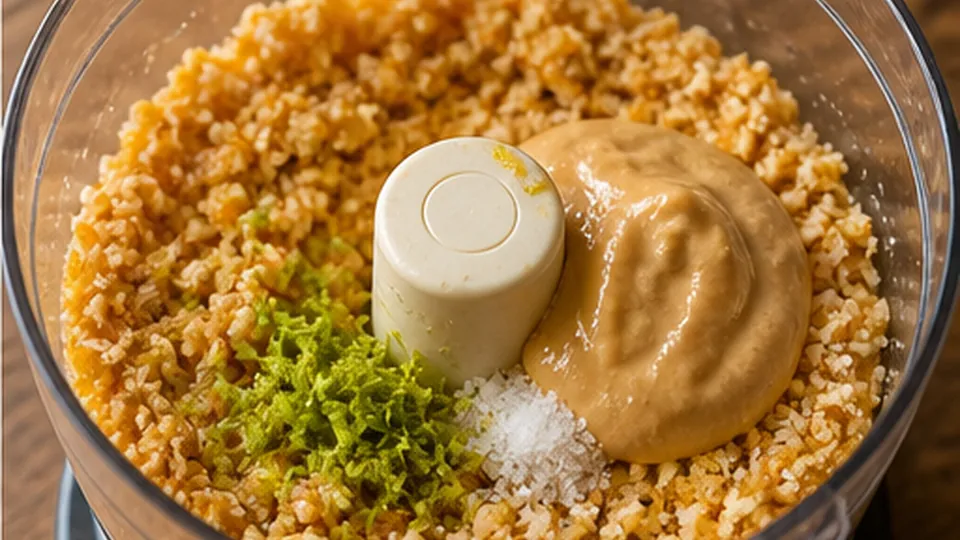
Add ½ cup (120 g) cashew butter, 2 tbsp (12 g) lime zest, and ¼ tsp (1.5 g) kosher salt, spooning the butter in three dollops so it disperses rather than sitting as one heavy blob at the bottom.
Add the binder and zest
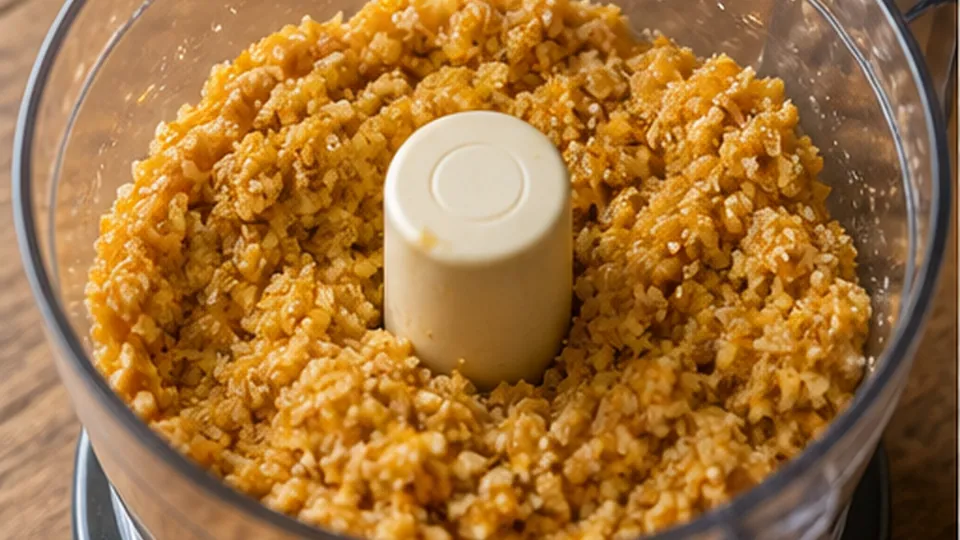
Pulse in one-second bursts until a pinch of the mixture holds together without crumbling apart. The dough should smell strongly of lime and feel tacky but not wet against your fingertips.
Pulse to a clumping dough
Scoop and roll 18 equal balls with clean, slightly damp hands, setting them on a parchment-lined tray. Rolling each one between your palms for a few turns gives a tight ball that will not shed coconut.
Roll into even balls
Refrigerate the tray for one hour before serving so the cashew butter firms and the balls stop feeling soft. Kept in a sealed container in the refrigerator, they stay pleasantly chewy for about five days.
Chill before serving
✅ How to know it's done
Each ball holds its shape, bites chewy rather than greasy, and shows flecks of coconut and mango. A loose test portion may need firmer pressure rather than more liquid; press Mango Lime Coconut Snack Balls once more before correcting the mixture for the “tropical bites with bright citrus” result. The recovery is complete at this cue: Mango Lime Coconut Snack Balls holds a round shape, feels chewy rather than greasy, and shows evenly distributed pieces.
💡 Practical tips (and what not to do)
Zest before you juice. Grating a whole lime is far easier than trying to zest one that has already been cut open.
Add the butter in dollops. Three separate spoonfuls disperse through the crumbs, while one blob sits at the bottom of the bowl.
Pulse, never run. One-second bursts let you catch the moment it clumps, before the oils release and it turns to paste.
Damp hands, light touch. Slightly wet palms stop the mixture sticking and let you roll without compacting the ball.
Roll a few extra turns. A tight surface keeps the coconut in place instead of shedding it across the container.
Budget: use dried apricots or raisins in place of the mango and peanut butter instead of cashew butter. Lighter: increase the coconut and cut the nut butter to a third of a cup, accepting a drier bite. Kids: roll them in extra coconut so they are less sticky to handle, and make them smaller. Extra flavor: add a pinch of chile powder, fresh ginger, or a spoonful of white sesame seeds to the mixture.
💛✨ Flavor boost
Rub the lime zest into the salt between your fingers before it goes in; the oil comes out of the zest and spreads through the whole bowl.
🥔 What Goes Well With It
A wedge of fresh lime to rub over the fingers, since the zest fades after a day.
Plain yogurt for dipping, which stops two of these feeling as rich as they do.
Cold sparkling water rather than milk, given how sweet and dense they already are.
📦 Storage & Freezer Notes
Refrigerate in a sealed container for about five days; the nut butter softens if they are left at room temperature.
No warming is involved at any point, and a ball left in the sun will go soft and lose its shape.
Freeze them for up to three months in a bag and let one stand for a few minutes before eating.
Before aiming for tropical bites with bright citrus, begin by using a dry processor bowl, cooling every toasted ingredient, and clearing a clean shaping area before “Roll 18 equal balls with clean damp hands”.
The tropical bites with bright citrus result depends on one last restraint: complete the final firming action—refrigerate one hour before serving—before packing Mango Lime Coconut Snack Balls. Confirm this cue: Mango Lime Coconut Snack Balls holds a round shape, feels chewy rather than greasy, and shows evenly distributed pieces. Cover leftover Mango Lime Coconut Snack Balls and return it to 40°F (4°C) or below within 2 hours.
🧒 Serving Ideas for Kids
Set out a bowl of coconut and let them roll the finished balls through it themselves.
Serve two alongside fruit rather than as a standalone snack; they are sweet and quite rich.
Cut one in half the first time so the inside is visible, since the outside gives no clue what is in it.
❓ Quick answers
Can I use fresh mango?
No. Fresh fruit is mostly water and would turn the mixture into an unrollable slurry. The concentration in dried fruit is what supplies both the sweetness and the binding, and there is no way around it here.
What if my mixture is too sticky to roll?
Chill the bowl for twenty minutes, then try again with damp hands. If it is still unworkable, pulse in a tablespoon or two of extra coconut, which absorbs the excess oil without changing the flavor much.
Can I make these without a food processor?
It is hard work but possible. Chop everything as finely as you can manage, then knead it together in a bowl with your hands. The texture will be coarser and the balls a little more fragile.
How do I stop the coconut falling off?
Roll each ball longer between your palms so the surface compacts and the flakes press in. Rolling the finished ball through more coconut also helps, since a fresh coat adheres to the slightly oily surface.
🥗 Nutrition, roughly: about 430 calories per serving. Estimates only; brands, cuts and portion sizes change the numbers.
Published by MommyCooking.org. This AI-assisted recipe passed automated checks for page consistency and required image files. A real-kitchen test has not been documented for this dish. The food images are AI-generated illustrations, not photographs of a cooking session. Cooking temperatures should be checked with a food thermometer; nutrition figures are estimates. How we make recipes · Report a problem with this recipe