“One pot of salted water cooks the stems, the florets and the pasta in turn.”
Published by MommyCooking.org · Published September 30, 2026
One pot does all three jobs here: the broccoli stems, then the florets, then the spaghetti, each cooked in the same salted water. The water picks up broccoli flavor as it goes, and a cup of it ends up in the blender.
The sauce stays bright green because nothing goes back over direct heat once the broccoli is blended. Basil and lemon join at the very end, in a warm pot rather than a hot one.
🥦 The promise: Six servings in under forty minutes, and a whole pound of broccoli disappears into a sauce that still tastes green.
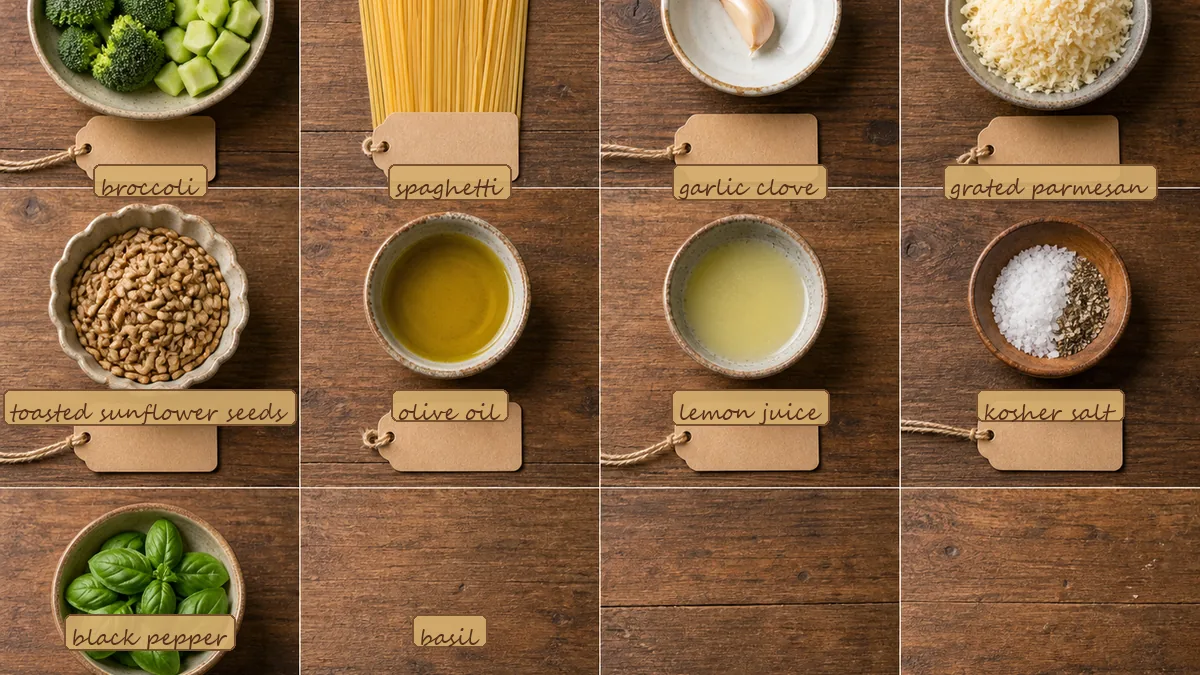
🥦 Everything you need, all in one look🧂 Ingredient notes & easy swaps
Cauliflower can stand in for the broccoli but makes a pale sauce that needs the full ¼ cup of basil to look like anything. Any short pasta works in place of spaghetti; either way, scoop the cooking water out before draining.
Blending the broccoli while it is still hot is what makes the sauce smooth without extra oil.
Lemon juice and torn basil go in off the heat, which is the difference between bright green and olive.
🍳 What you actually need (equipment)
A large pasta pot, a blender or food processor, and tongs for tossing. Stop the machine and scrape the sides rather than adding more liquid to get it moving.
Peel the tough broccoli stems, chop them into coins, and drop them into a large pot of well-salted boiling water. Cook 3 minutes, until the coins turn vivid green and a knife tip meets only slight resistance.
Boil the chopped stems
Add the florets to the same pot and cook 2–3 minutes, until they are bright and tender to a fork. Lift out 1 cup of florets to fold in later, and transfer the rest of the broccoli to a blender.
Cook and reserve florets
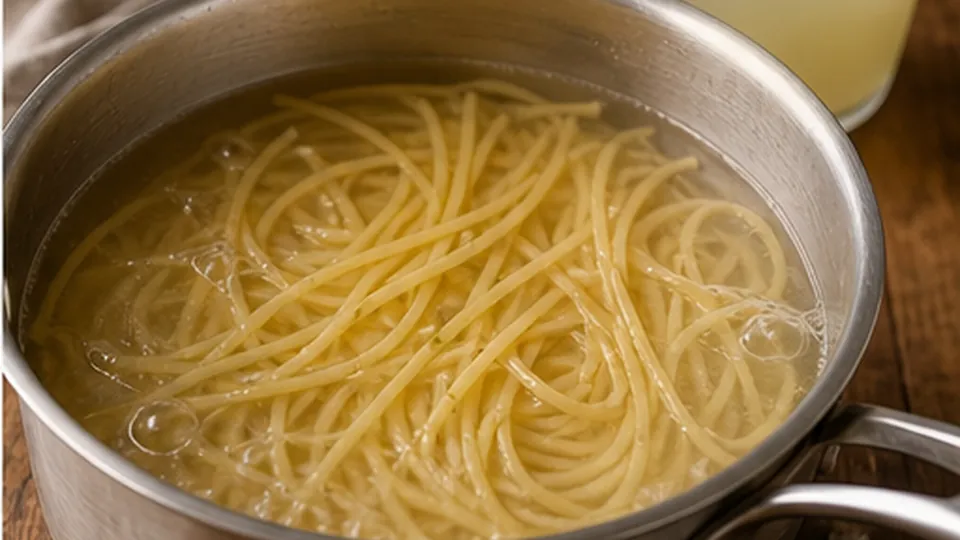
Boil the spaghetti in that same green-tinged water until just tender with a firm center. Scoop out 1 cup (240 ml) of the cooking water before draining, since it carries the starch that binds the sauce together.
Boil pasta in the same water
Blend the warm broccoli with the garlic clove, Parmesan, toasted sunflower seeds, olive oil, kosher salt, black pepper, and ½ cup (120 ml) of the pasta water until the pesto is smooth and glossy bright green.
Blend the warm pesto
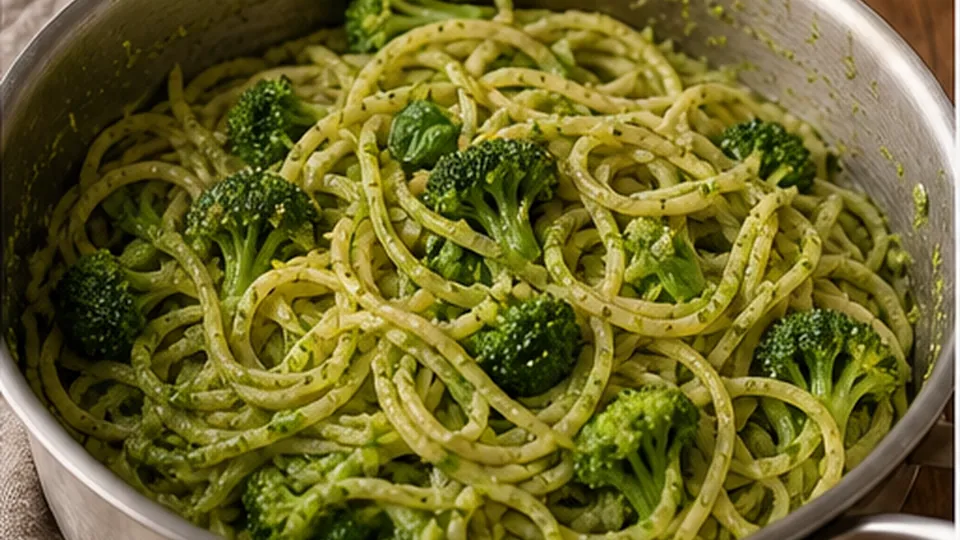
Return the drained spaghetti to the warm pot off the heat and pour the pesto over it, tossing with tongs until every strand is coated. Fold in the reserved florets so they stay in recognizable pieces.
Toss off direct heat
Stir in the lemon juice and the torn basil, which lift the sauce and keep the green from turning olive. Let it rest 2 minutes for the pasta to drink in the sauce, then serve it straight from the pot.
Brighten with lemon and basil
✅ How to know it's done
Every strand is coated in a bright green sauce, the blended stems taste smooth and sweet, and the reserved florets stay distinct. If the sauce tightens as it sits, loosen it with the reserved pasta water 2 tablespoons at a time; water from the tap thins the flavor along with the texture.
💡 Practical tips (and what not to do)
Cook the stems first. Peeled stem coins need 3 minutes before the florets go in; added together, the florets overcook while the stems stay woody.
Keep the pasta water. A cup of it, green and starchy, is both the blender liquid and the sauce loosener, and draining first leaves you with neither.
Blend while hot. Warm broccoli purées smooth, while cooled florets go grainy and need more oil to come together.
Take the pot off the heat to toss. Pesto held over a flame turns from bright green to olive within a minute.
Hold back a cup of florets. Blend everything and you have a smooth green sauce with nothing to bite into.
Budget: Use half the Parmesan and add 2 tablespoons of nutritional yeast, which keeps the savory depth for less. Lighter: Cut the olive oil to 2 tablespoons and make up the difference with an extra ¼ cup of pasta water. Kids: Blend the whole batch smooth, reserved florets included, for anyone who objects to visible green pieces. Extra flavor: Toast the sunflower seeds in a dry pan for 3 minutes until they smell nutty, and blend them while still warm.
💛✨ Flavor boost
Toast the sunflower seeds in a dry pan for 3 minutes until they smell nutty, then blend them warm into the pesto.
🥔 What Goes Well With It
A lemon wedge on each plate, since the sauce dulls as it sits.
Blistered cherry tomatoes, for sweetness and acidity against the broccoli.
Crusty bread rubbed with a cut garlic clove, to take up what is left in the bowl.
📦 Storage & Freezer Notes
Refrigerate in a shallow covered container for up to 3 days; the color dulls from day two but the flavor holds.
Reheat in a pan over low heat with 2 tablespoons of water per portion, tossing for about 3 minutes. Microwaving on full power turns the pesto grey.
Freeze the blended sauce alone in ½-cup portions for up to 2 months. Cooked pasta thaws mushy, so boil fresh spaghetti when you use it.
Blend the pesto up to 2 days ahead and press plastic onto the surface; cook the spaghetti fresh and toss the two off the heat.
Serve straight from the pot after its 2-minute rest, while the pasta is still drinking in the sauce.
🧒 Serving Ideas for Kids
Snip the spaghetti into short lengths in the bowl so it can be forked rather than wound.
Serve the reserved florets on the side instead of folded through, for a child who wants to see what is in the sauce.
Offer extra grated Parmesan at the table, which makes a green sauce read as familiar.
❓ Quick answers
Can I make the sauce without a blender?
A food processor works, though it leaves a coarser sauce and needs scraping down two or three times. An immersion blender in a tall jug also works; a potato masher does not.
Why did my sauce turn olive green?
It was heated after blending. Broccoli and basil both lose color above a simmer, which is why the pot comes off the heat before the pesto goes in and the lemon juice goes in last.
Should I really use the broccoli stems?
They are half the sauce here. Peel the tough outer layer with a vegetable peeler and slice the stems into coins, which blend sweeter and smoother than the florets do.
What can replace the sunflower seeds?
Toasted pine nuts, walnuts or almonds at the same ⅓ cup (40 g). Sunflower seeds are the cheapest and keep the dish nut-free, which matters for school lunchboxes.
🥗 Nutrition, roughly: about 460 calories per serving. Estimates only; brands, cuts and portion sizes change the numbers.
Published by MommyCooking.org. This AI-assisted recipe passed automated checks for page consistency and required image files. A real-kitchen test has not been documented for this dish. The food images are AI-generated illustrations, not photographs of a cooking session. Cooking temperatures should be checked with a food thermometer; nutrition figures are estimates. How we make recipes · Report a problem with this recipe